You get your blood test results back and see a row of numbers: total cholesterol, LDL, HDL, triglycerides. Everyone has told you LDL is “bad” and HDL is “good,” but what do those labels really mean? And does one number tell the whole story?
This guide explains LDL vs HDL cholesterol in plain language. You’ll learn what each does, how to read a lipid panel, why triglycerides matter, and why your overall cardiovascular risk counts for more than any single number.
We’ll also take an honest look at an optional supplement, Cardio Shield. One important note first: supplements don’t treat high cholesterol and never replace prescribed medication.
Affiliate disclosure: SmartBuyJournal.com participates in affiliate programs. We may earn a commission if you buy through links on this site, at no extra cost to you. This never changes our conclusions.
Medical disclaimer: This article is for education only and is not medical advice. Supplements do not treat high cholesterol, prevent heart attacks, or replace prescribed medication. These statements have not been evaluated by the FDA. Talk to your doctor before changing medication, and call 911 for chest pain or other heart attack symptoms.
LDL vs HDL Cholesterol: The Quick Answer
Cholesterol is a waxy substance your body needs to build cells and make hormones. Because it can’t dissolve in blood, it travels inside carriers called lipoproteins. Two of the most talked about are LDL and HDL, which is why LDL vs HDL cholesterol comes up at nearly every checkup.
| LDL cholesterol | HDL cholesterol | |
|---|---|---|
| Full name | Low-density lipoprotein | High-density lipoprotein |
| Nickname | “Bad” cholesterol | “Good” cholesterol |
| Main role | Carries cholesterol to tissues | Helps return cholesterol to the liver |
| Link to heart disease | Directly linked to plaque buildup in arteries | Low levels signal higher risk, but raising HDL hasn’t lowered risk |
| Usual goal | Lower, based on your risk | Not a treatment target |
| Key nuance | The main target of treatment | Very high levels aren’t automatically protective |
The labels are a useful starting point, but the story of LDL vs HDL cholesterol is more nuanced than “bad” versus “good.”
What Is LDL Cholesterol?
In LDL vs HDL cholesterol, LDL is the one doctors focus on most. LDL carries cholesterol through your bloodstream to cells. When there’s too much LDL, some particles lodge in artery walls and contribute to plaque. That’s why LDL is considered the primary atherogenic, or plaque-forming, lipoprotein, and why it’s the main target of cholesterol treatment, according to a 2026 guideline summary [1].
A few points about LDL:
- LDL isn’t “bad” in itself. Your body needs cholesterol. The problem is too many LDL particles for too long.
- Lower is generally better, especially if your overall risk is high.
- LDL cholesterol isn’t the whole picture. Other particles, like lipoprotein(a), also carry cholesterol and raise risk. That’s why newer guidelines look beyond LDL alone, including a one-time lipoprotein(a) test for every adult [2][3].
What Is HDL Cholesterol, and Why “Good” Is Too Simple
The HDL side of LDL vs HDL cholesterol is where the nickname misleads most. HDL helps with reverse cholesterol transport, which is the movement of cholesterol from tissues back toward the liver. That’s the reason for the “good” label, and low HDL is still treated as a risk marker in the 2026 guideline [1][4].
But the HDL story has more twists than the nickname suggests:
- Raising HDL with drugs hasn’t helped. Trials of niacin, fibrates, and CETP inhibitors raised HDL without reducing cardiovascular events when added to statins, according to a 2023 review [5]. A review of niacin’s trials said the lack of benefit seriously undermines the idea that HDL cholesterol is a causal risk factor [6].
- Genetics point the same way. Mendelian randomization studies suggest HDL cholesterol is unlikely to be a direct biological cause of heart disease risk [5].
- Very high HDL isn’t a free pass. In two Danish studies of about 116,000 people, the relationship between HDL and death was U-shaped. Both very low and extremely high levels were linked with higher mortality [7]. A later review noted that very high HDL, at or above about 80 mg/dL in men and 100 mg/dL in women, is paradoxically associated with higher mortality [5].
These were observational findings, so they don’t prove cause and effect. But they do mean a high HDL number shouldn’t make you complacent, and low HDL isn’t something to fix with a pill. For LDL vs HDL cholesterol, the practical takeaway is to focus on lowering atherogenic particles and overall risk, not on pushing HDL up.
Triglycerides: The Third Number
Beyond LDL vs HDL cholesterol, your panel includes a third key number. Triglycerides are fats from food and from your liver. High levels can signal that triglyceride-rich particles are in your blood, which add to cardiovascular risk [4].
- Desirable: below 150 mg/dL [4]
- Higher levels: commonly grouped as borderline (150 to 199), high (200 to 499), and very high (500 or more), the last of which can raise the risk of pancreatitis
- Common drivers: excess calories, sugary drinks, refined carbs, alcohol, excess weight, and diabetes
The 2026 guideline suggests apolipoprotein B (apoB) testing in some people, especially when triglycerides exceed 200 mg/dL or when you have diabetes [3][4].
How to Read Your Lipid Panel
Reading a lipid panel is the practical side of LDL vs HDL cholesterol. Here are the numbers on a typical report, using the 2026 ACC/AHA dyslipidemia guideline as a reference [3][4].
| Test | What it measures | Typical desirable level |
|---|---|---|
| Total cholesterol | Sum of cholesterol in all lipoproteins | Below 200 mg/dL |
| LDL-C | Cholesterol in LDL particles | Goal depends on risk: below 100, 70, or 55 mg/dL |
| HDL-C | Cholesterol in HDL particles | Low if below 40 mg/dL (men) or 50 mg/dL (women) |
| Triglycerides | Blood fats | Below 150 mg/dL |
| Non-HDL-C | Total cholesterol minus HDL | About 30 mg/dL above your LDL goal |
| ApoB | Number of atherogenic particles | Used selectively |
| Lp(a) | Genetic lipoprotein | Measure once in adulthood |
Ranges vary by person. A “normal” number for one person may not be right for someone with diabetes or a prior heart attack. Your clinician interprets results in context.
Why Overall Risk Matters More Than One Number
No discussion of LDL vs HDL cholesterol is complete without risk. Two people can have the same LDL and very different heart risk. That’s why guidelines focus on total cardiovascular risk, not one number.
The 2026 ACC/AHA guideline replaced the older risk calculator with PREVENT, which estimates your 10-year risk of atherosclerotic cardiovascular disease for adults aged 30 to 79. Risk tiers are low (under 3%), borderline (3% to under 5%), intermediate (5% to under 10%), and high (10% or more) [8].
Your risk depends on many things beyond cholesterol:
- Age and sex
- Blood pressure
- Diabetes and kidney disease
- Smoking
- Family history of early heart disease
- Weight and activity
- Lipoprotein(a), and sometimes coronary calcium scores
This is the real answer to LDL vs HDL cholesterol: both matter, but as parts of a larger picture. Our guide on how to read blood pressure numbers covers another key piece.
Common Risk Factors for Unhealthy Cholesterol
These factors shape both sides of LDL vs HDL cholesterol.
- Diet high in saturated fat, trans fat, and refined carbohydrates
- Low physical activity
- Excess weight
- Smoking
- Diabetes and insulin resistance
- Genetics: an LDL-C of 190 mg/dL or higher may suggest familial hypercholesterolemia [9]
- Age and menopause: LDL tends to rise across the menopausal transition [10]
Some risk factors, like genetics, can’t be changed. Others can.
Lifestyle Approaches That Support Healthy Cholesterol
Lifestyle changes help with LDL vs HDL cholesterol alike. Lifestyle is the foundation for everyone, whether or not you also take medication. The 2026 guideline promotes healthy nutrition and lifestyle as part of lifelong management [11].
- Eat more fiber. A large Lancet analysis found lower risks of type 2 diabetes, heart disease, and colorectal cancer in people eating more fiber and whole grains, with the most benefit at 25 to 29 grams a day [12]. See our guide to high fiber foods for blood sugar for ideas.
- Swap saturated fat for unsaturated fat. Choose olive oil, nuts, and fish over butter and fatty or processed meats.
- Be active. Aim for regular movement most days.
- Reach a healthier weight if your clinician recommends it.
- Limit alcohol and sugary drinks, which can raise triglycerides.
- Don’t smoke.
For more fiber-rich eating ideas, see our guide to the best foods for gut health.
When Medication May Be Recommended
Medication enters the LDL vs HDL cholesterol conversation when risk is higher. Lifestyle isn’t always enough, especially with high risk or genetic cholesterol disorders. The 2026 ACC/AHA guideline restores numeric LDL goals: below 100 mg/dL for lower, borderline, or intermediate risk, below 70 mg/dL for high risk, and below 55 mg/dL for very high-risk atherosclerotic disease [8][13].
Statin therapy is recommended or considered in situations like these [8][13]:
- Adults aged 40 to 75 with diabetes, chronic kidney disease stage 3 to 4, or HIV, regardless of baseline LDL
- LDL-C of 190 mg/dL or higher, which suggests familial hypercholesterolemia
- Higher PREVENT risk, with stronger recommendations as risk rises
- People with established cardiovascular disease
Some people also need non-statin medicines to reach their goals. Treatment is a shared decision with your clinician, who weighs your risk, other conditions, and preferences.
If you take a cholesterol medicine, never stop or reduce it on your own. Talk to your doctor first.
Can Supplements Help? An Honest Look at Cardio Shield
Supplements are optional. They aren’t part of LDL vs HDL cholesterol treatment guidelines, and they can’t replace prescribed medication or lifestyle changes.
What We Could Verify About Cardio Shield
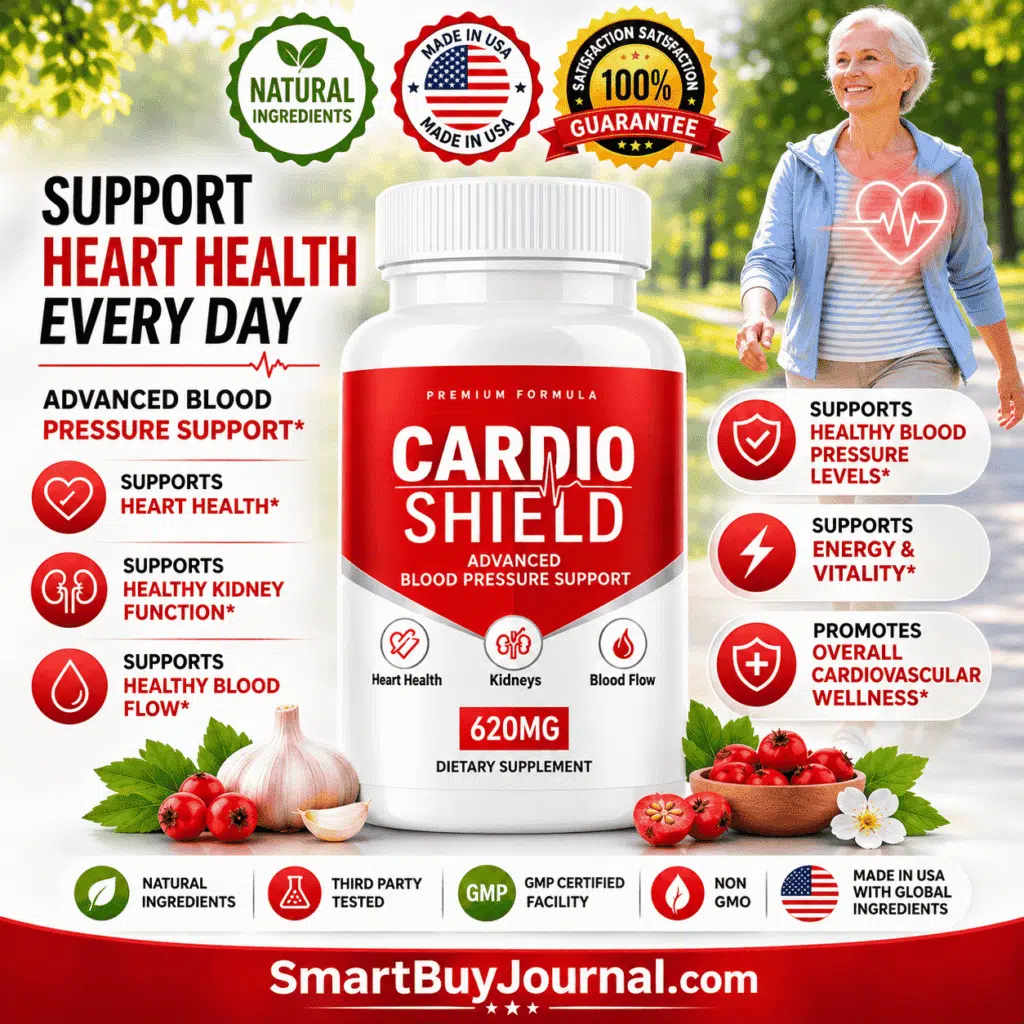
Cardio Shield is a heart-health supplement we’ve reviewed on SmartBuyJournal.com. When we compared seller pages, the details didn’t match.
| Item | What we found | Status |
|---|---|---|
| Form | Capsules, commonly 60 per bottle, two daily on several pages | Mostly consistent |
| Ingredients | Most seller pages list hawthorn, olive leaf extract, garlic, green tea extract, hibiscus, and vitamins (C, D3, K2, niacin, B6, B12). Our product page lists CoQ10 and magnesium instead of hibiscus and green tea | Conflicting. Confirm your label |
| Amounts | Not clearly listed on most pages. A few review sites quote milligram figures that don’t agree | Unclear |
| Price | About $39 to $69 per bottle depending on the package. Our page shows $59 | Varies. Confirm at checkout |
| Refund | 60, 90, or 180 days depending on the source | Inconsistent |
| Clinical trials on the finished product | None found | Absent |
What the Evidence Can and Can’t Say
- Several ingredients, such as garlic and olive leaf, have been studied for cardiovascular markers, but the studies are generally small, vary in quality, and don’t show that a finished capsule lowers LDL or prevents heart attacks.
- Many seller pages market Cardio Shield for blood pressure or heart health. The FDA doesn’t approve supplements to treat high cholesterol, and we found no trial of the finished formula.
- If a product contains niacin, remember that large trials of added niacin didn’t reduce cardiovascular events and had adverse effects [6]. Vitamin-level niacin in a supplement is a different matter, but it illustrates why you shouldn’t assume a “heart” ingredient helps.
Safety Notes
- If you take a statin or other medication, check with your doctor or pharmacist before adding any herbal supplement.
- Blood thinners: garlic, vitamin K2, and green tea can interact with warfarin and similar medicines.
- Heart medicines: hawthorn may interact with some heart drugs.
- Green tea extract has been linked to rare liver injury in concentrated forms, according to NCCIH.
- Avoid it if you’re pregnant, breastfeeding, or under 18, unless your doctor says otherwise.
Our Take
Cardio Shield does not treat high cholesterol, prevent heart attacks, or replace medication. If you want to try it, talk to your doctor, confirm the label on your own order page, and keep up with your lipid tests. Read our full Cardio Shield review for more detail.
When to Talk to a Healthcare Professional
Questions about LDL vs HDL cholesterol are worth bringing to your clinician. The 2026 guideline supports routine lipid testing throughout life and recommends measuring lipoprotein(a) at least once in every adult [3][8]. Talk to your clinician if:
- You’ve never had a lipid panel, or it’s been several years
- Your LDL is 190 mg/dL or higher, or you have a family history of early heart disease
- You have diabetes, kidney disease, high blood pressure, or you smoke
- You’re unsure what your numbers mean for your risk
- You take cholesterol medication and have side effects or questions
Call 911 for chest pain or pressure, shortness of breath, pain spreading to the arm or jaw, sudden weakness, or trouble speaking.
Frequently Asked Questions
What is the difference between LDL and HDL cholesterol?
LDL carries cholesterol to your tissues and can build up in artery walls, while HDL helps move cholesterol back toward the liver. In LDL vs HDL cholesterol, LDL is the main treatment target, and HDL is mostly a risk marker.
Is HDL always “good” cholesterol?
In LDL vs HDL cholesterol, no. Low HDL is a risk marker, but drugs that raise HDL haven’t reduced heart attacks, and very high HDL levels have been linked with higher mortality in some studies [5][7].
What is a good LDL number?
For LDL vs HDL cholesterol, it depends on your risk. The 2026 guideline sets goals of below 100, below 70, or below 55 mg/dL based on risk category [8][13]. Ask your clinician which applies to you.
Why do triglycerides matter?
Beyond LDL vs HDL cholesterol, high triglycerides signal triglyceride-rich particles that add to cardiovascular risk, and very high levels can cause pancreatitis. Under 150 mg/dL is desirable [4].
Does one cholesterol number tell me my heart risk?
No. In LDL vs HDL cholesterol, both numbers are part of a larger picture that includes age, blood pressure, diabetes, smoking, family history, and tools like PREVENT [8].
Can supplements lower cholesterol like medication?
No, and they aren’t part of the LDL vs HDL cholesterol treatment plan. Supplements aren’t a substitute for prescribed medication, and the finished Cardio Shield formula hasn’t been tested in trials for cholesterol or heart outcomes. Talk to your doctor before using one.
Should I stop my statin if my numbers look good?
No, whatever your LDL vs HDL cholesterol numbers show. Your numbers may look good because the medicine is working. Never stop or change a prescription without your clinician’s advice.
Conclusion
The story of LDL vs HDL cholesterol is more complicated than “bad” and “good.” LDL is the main treatment target because it drives plaque buildup, while HDL is a risk marker rather than a number to chase. Triglycerides, apoB, and lipoprotein(a) add detail, and your overall cardiovascular risk matters more than any single value.
Lifestyle is the foundation, and medication helps when risk is high. Supplements like Cardio Shield are optional extras with unproven benefits for cholesterol, and they never replace prescribed treatment.
Ask your doctor for a lipid panel and a risk estimate, and make one change this week, like adding fiber or a daily walk. That’s the most useful next step in understanding LDL vs HDL cholesterol for your own health.