

If you’ve ever stood in front of the mirror, pinched your midsection, and thought “okay, how do you get rid of belly fat, actually?” — you’re in good company. It’s one of the most searched health questions out there, and honestly, most of the answers online are either recycled fluff or trying to sell you something before they’ve told you anything useful.
This guide is different. We’re going to walk through what genuinely moves the needle — diet, training, sleep, stress, and the mistakes that quietly sabotage progress — based on how your body actually works, not on wishful thinking.
Why Belly Fat Behaves Differently Than Fat Anywhere Else
Not all body fat is created equal, and that’s a big part of why belly fat feels so stubborn.
There are two main types sitting around your midsection:
- Subcutaneous fat — the soft, pinchable layer just under your skin. It’s mostly a cosmetic concern.
- Visceral fat — the fat packed around your internal organs. This is the metabolically active, more dangerous type, linked to insulin resistance, heart disease, and type 2 diabetes.
Here’s the encouraging part: visceral fat is actually more responsive to lifestyle changes than fat stored elsewhere. It tends to be one of the first things your body lets go of once you create a consistent calorie deficit. So when people ask how do you get rid of belly fat quickly, the honest answer is — you can’t out-crunch it, but you can absolutely out-live it with the right habits.
How Do You Get Rid of Belly Fat With Diet?
If there’s one lever that matters most, it’s what’s on your plate. No amount of ab workouts will out-train a diet that’s working against you.
Prioritize Protein and Fiber
Protein keeps you full longer and helps preserve muscle while you lose fat, which matters because muscle is what keeps your metabolism humming. Aim for protein at every meal — eggs, chicken, fish, tofu, Greek yogurt, legumes.
Soluble fiber is just as important. Foods like oats, flaxseed, beans, and vegetables slow digestion, stabilize blood sugar, and have been linked in research to measurable reductions in visceral fat over time.
Cut Back on Added Sugar and Refined Carbs
Sugary drinks, pastries, and refined white carbs spike insulin and encourage your body to store fat around the abdomen specifically. You don’t need to eliminate carbs — just shift toward whole grains and swap soda for water or unsweetened tea.
Create a Moderate Calorie Deficit
You still need to eat less than you burn. A deficit of roughly 300–500 calories a day is sustainable for most people and tends to produce steady, keepable results rather than the rebound weight gain that comes with crash diets.
Watch the Alcohol
Alcohol is calorie-dense, lowers inhibitions around snacking, and is processed by the liver in a way that promotes fat storage right around the midsection. Cutting back is one of the fastest wins available.
The Best Types of Exercise for Losing Belly Fat
Exercise won’t let you spot-reduce your stomach — that idea has been debunked repeatedly — but the right training accelerates total-body fat loss, and belly fat tends to go first.
Strength Training
Lifting weights two to four times a week builds muscle, and more muscle means better insulin sensitivity, which directly reduces the hormonal drivers of abdominal fat storage. Full-body routines or simple upper/lower splits both work well.
Cardio, Especially Moderate-to-Vigorous Intensity
Somewhere between 150–300 minutes of moderate cardio per week (brisk walking, cycling, swimming) is enough to meaningfully support fat loss. If you’re short on time, a few weekly HIIT sessions can be just as effective in less time.
Just Move More Overall
Non-exercise activity — walking, taking the stairs, standing more — adds up. It’s one of the most underrated answers to how do you get rid of belly fat without spending hours in the gym.
Sleep, Stress, and Cortisol: The Piece Most People Skip
You can nail your diet and training and still stall out if this part is ignored.
- Poor sleep disrupts hunger hormones (ghrelin and leptin), making you crave more food, especially sugar and refined carbs.
- Chronic stress raises cortisol, and elevated cortisol is directly tied to increased abdominal fat storage — it’s one of the reasons stressed-out people tend to carry weight around the middle specifically.
Aim for 7–8 hours of consistent sleep and build in some kind of stress outlet — walking, breathing exercises, journaling, whatever actually works for you. This isn’t a “nice to have”; it’s a legitimate part of the answer.
Common Mistakes That Slow Belly Fat Loss
A lot of people do everything “right” on paper and still don’t see results. Usually it comes down to one of these:
- Doing endless ab exercises expecting spot reduction — it doesn’t work that way
- Going too extreme on calorie restriction, which often backfires through muscle loss and rebound eating
- Underestimating liquid calories from coffee drinks, juices, and alcohol
- Chasing perfection instead of consistency — a sustainable 80% effort beats a strict plan you abandon in three weeks
- Ignoring sleep and stress entirely, as covered above
Can Supplements Help You Get Rid of Belly Fat?
Short answer: supplements can be a supporting piece of the puzzle, but they’re not a replacement for diet, training, sleep, and consistency — and it’s worth being skeptical of anything promising dramatic results on its own.
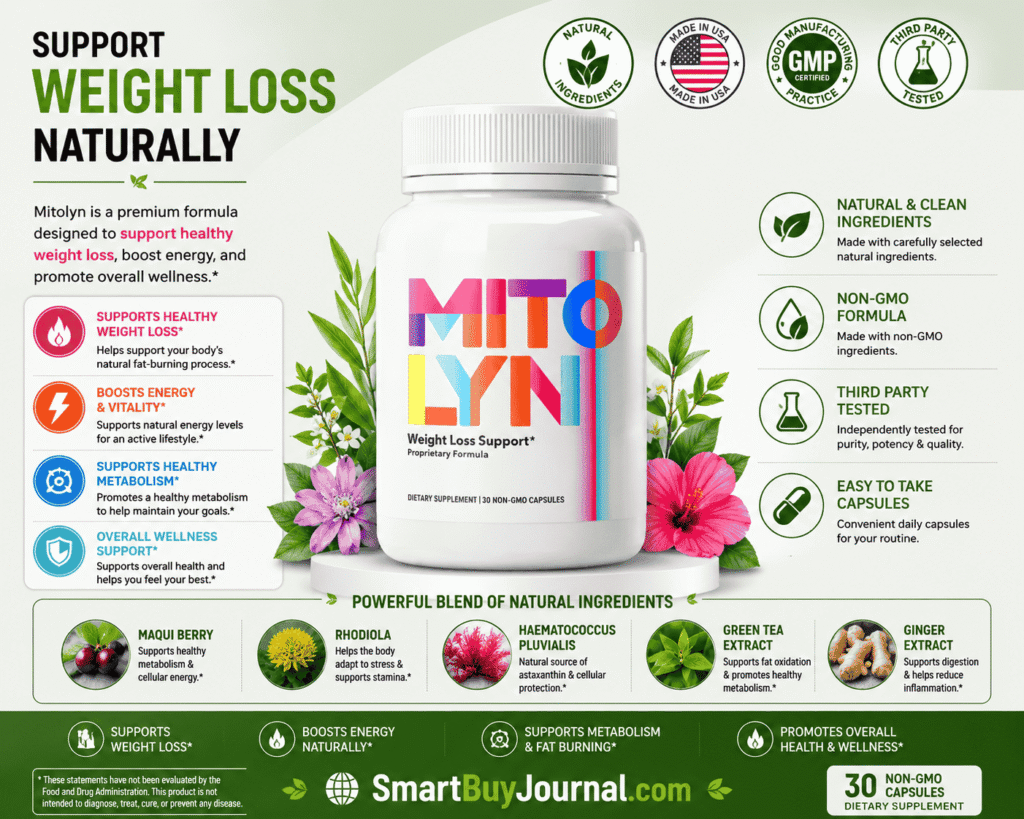
Some people look into metabolic-support supplements, such as Mitolyn, as an addition to an existing routine. If you’re considering a product like this, a few honest ground rules apply:
- Treat it as a possible add-on, not a shortcut — results, where reported, tend to come from people who are also eating well and staying active
- Read real, verified customer reviews rather than only relying on marketing pages, since this category is notorious for exaggerated claims and fake testimonials
- Talk to a doctor first, especially if you’re pregnant, nursing, under 18, or taking other medications
- Buy only from the official source to avoid counterfeit products, which are common in this space
This article contains an affiliate link. If you purchase through it, we may earn a commission at no extra cost to you. This does not change our recommendation to prioritize diet, exercise, and sleep as the foundation of any fat-loss plan.
How Long Does It Actually Take to Lose Belly Fat?
This is where patience matters. A safe, sustainable rate of fat loss is around 0.5–1 kg (1–2 lbs) per week. Visceral fat often responds within the first several weeks of consistent effort, but visible changes in the mirror usually take 6–12 weeks, and meaningful transformation typically takes a few months.
If someone promises dramatic belly fat loss in a week, that’s a red flag, not a shortcut.
A Simple Weekly Plan to Get Started
Here’s a realistic starting framework if you’re not sure where to begin:
- Nutrition: Protein at every meal, fiber-rich carbs, cut liquid calories, moderate deficit
- Training: 3 strength sessions + 2–3 cardio or walking sessions per week
- Sleep: 7–8 hours, consistent bedtime
- Stress: 10 minutes daily of walking, breathing, or journaling
- Tracking: Weekly weigh-ins or waist measurements, not daily obsessing
Small, repeatable habits beat aggressive, unsustainable ones every time.
Frequently Asked Questions
- How do you get rid of belly fat fast? There’s no truly “fast” safe method, but visceral fat does respond quicker than other fat to a calorie deficit combined with strength training, cutting added sugar, and improving sleep.
- Can you lose belly fat without exercise? Diet alone can produce fat loss, but exercise — especially strength training — helps preserve muscle and improves the hormonal environment that specifically targets abdominal fat.
- Do ab exercises get rid of belly fat? No. Spot reduction isn’t how the body works. Ab exercises strengthen your core but won’t specifically burn the fat covering it — that comes from an overall calorie deficit.
- Why is belly fat the hardest to lose? It isn’t necessarily the hardest — visceral fat is often one of the first types to respond to lifestyle changes. It can feel stubborn because it’s also influenced by stress, sleep, and hormones, not just diet and exercise.
- Does stress really cause belly fat? Yes. Chronic stress raises cortisol, which is linked to increased fat storage specifically around the abdomen.
- What foods burn belly fat the fastest? No single food “burns” fat, but high-protein, high-fiber foods support the calorie deficit and blood sugar stability that drive fat loss overall.
- Are belly fat supplements worth trying? They can be a minor supporting piece for some people, but none replace diet, exercise, and sleep. Approach marketing claims skeptically and check verified reviews before buying.
Conclusion
If you take one thing away from this guide, let it be this: how do you get rid of belly fat isn’t about a single trick, pill, or 10-minute workout — it’s the combination of a solid diet, regular strength and cardio training, real sleep, and stress management, applied consistently over weeks and months.
Start small. Pick one or two changes from this article, stick with them for a few weeks, and build from there. Sustainable belly fat loss is boring, repeatable, and genuinely doable — and that’s exactly why it works.