

If you’ve ever left a doctor’s appointment with a blood pressure reading you weren’t thrilled about, you already know how quickly heart health can jump to the top of your priority list. It’s one of those things we assume we’ll deal with “later,” until later suddenly becomes now. The good news is that heart healthy foods don’t require a complete lifestyle overhaul or a pantry full of expensive supplements. Small, consistent choices at the dinner table can make a real difference over time.
This guide walks through exactly which foods support a healthy heart, why they work, and how to fit them into a normal, busy life without feeling like you’re on a restrictive diet.
Why Heart Healthy Foods Matter More Than You Think
Heart disease doesn’t usually show up overnight. It builds slowly, often over decades, shaped by everyday habits like what’s on your plate.
What you eat directly affects cholesterol levels, blood pressure, inflammation, and blood sugar. These are the same factors doctors watch closely when assessing cardiovascular risk.
The encouraging part is that food is one of the few risk factors you have almost total control over. Unlike genetics or age, your grocery list is something you can change starting this week.
Top Heart Healthy Foods to Add to Your Diet
Let’s get into the specifics. These foods are consistently highlighted by nutrition researchers and cardiologists for their heart-supporting properties.
1. Fatty Fish
Salmon, mackerel, and sardines are rich in omega-3 fatty acids, which help reduce triglycerides and support healthy blood pressure levels.
- Aim for two servings a week
- Grilling or baking preserves the healthy fats better than frying
- Canned sardines are a budget-friendly option
2. Leafy Green Vegetables
Spinach, kale, and Swiss chard are loaded with vitamins, minerals, and antioxidants that support healthy blood vessels.
These greens are also naturally low in calories, which makes them easy to add to almost any meal without much thought.
3. Whole Grains
Oats, brown rice, quinoa, and whole wheat products contain fiber that helps manage cholesterol levels.
Swapping white bread or white rice for whole grain versions is a simple change that adds up over time.
4. Berries
Blueberries, strawberries, and raspberries are packed with antioxidants called anthocyanins, which have been linked to better heart function.
They’re also naturally sweet, making them a satisfying alternative to sugary desserts.
5. Nuts and Seeds
Almonds, walnuts, chia seeds, and flaxseeds provide healthy fats, fiber, and plant-based protein.
A small handful as a snack can help curb cravings while supporting cardiovascular health.
6. Avocados
Avocados are rich in monounsaturated fats, the same type of heart-friendly fat found in olive oil.
They’re versatile too — toast, salads, smoothies, or simply with a pinch of salt.
7. Legumes
Beans, lentils, and chickpeas are excellent sources of fiber and plant protein, both of which are tied to lower cholesterol.
They’re inexpensive, filling, and easy to add to soups, stews, and salads.
8. Extra Virgin Olive Oil
A staple of the Mediterranean diet, olive oil is one of the most researched heart healthy foods available.
Using it in place of butter or processed oils is a small swap with meaningful long-term benefits.
Foods That Work Against a Healthy Heart
Understanding what to add is only half the picture. It also helps to know what to scale back.
- Processed meats like bacon and sausage, which are high in sodium and saturated fat
- Sugary drinks that contribute to weight gain and inflammation
- Fried foods, which are typically high in unhealthy trans fats
- Excess salt, a major contributor to high blood pressure
You don’t need to eliminate these completely. Moderation, awareness, and gradual reduction usually work better than strict all-or-nothing rules.
How to Build a Heart Healthy Eating Pattern
Individual foods matter, but the overall pattern matters even more. Here’s a simple framework to follow.
Fill Half Your Plate With Vegetables
This alone shifts the balance of your meals toward fiber, vitamins, and fewer refined carbohydrates.
Choose Lean Proteins
Fish, poultry, beans, and legumes are better choices than heavily processed or fatty red meats.
Swap Cooking Oils
Replace butter and vegetable shortening with olive oil or avocado oil where possible.
Watch Portion Sizes
Even nutritious foods can contribute to weight gain if portions are consistently too large.
Lifestyle Habits That Complement Heart Healthy Foods
Diet plays a major role, but it works best alongside other healthy habits.
- Regular movement, even just a daily 30-minute walk
- Managing stress through sleep, breathing exercises, or hobbies
- Staying hydrated throughout the day
- Routine checkups to track blood pressure and cholesterol
Supplements and Heart Health: What to Know
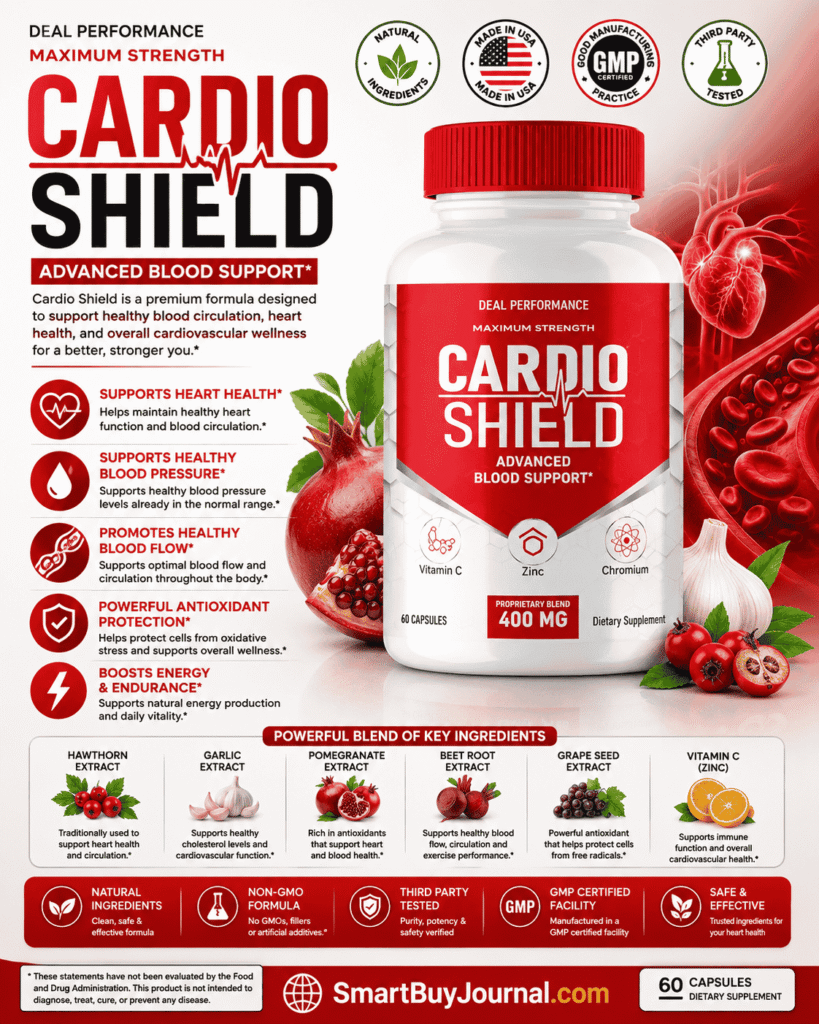
Some people look for additional support alongside diet and lifestyle changes, and this is where products like Cardio Shield sometimes come into the conversation. If you’re researching options, it’s worth reading independent reviews such as the one available at Cardio Shield Review to understand what the product claims to offer and whether the ingredient list aligns with your personal health goals.
That said, no supplement should replace a foundation of heart healthy foods, regular movement, and medical guidance. Always talk to your doctor before adding any new supplement to your routine, especially if you take medication or have an existing heart condition.
Simple Meal Ideas Using Heart Healthy Foods
Putting this into practice doesn’t need to be complicated. Here are a few easy combinations to try this week.
- Breakfast: Oatmeal topped with berries and a spoonful of ground flaxseed
- Lunch: Grilled salmon salad with leafy greens and olive oil dressing
- Dinner: Lentil soup with a side of steamed vegetables
- Snack: A small handful of almonds or walnuts
Small, repeatable meals like these make it far easier to stay consistent than trying to follow a complicated meal plan.
Frequently Asked Questions
What are the best heart healthy foods to eat every day? Leafy greens, whole grains, fatty fish, nuts, and berries are among the most consistently recommended heart healthy foods for daily eating.
Can heart healthy foods lower cholesterol naturally? Yes. Foods high in soluble fiber, such as oats and legumes, can help reduce LDL cholesterol levels over time.
How much fish should I eat for heart health? Most guidelines suggest two servings of fatty fish per week to get enough omega-3 fatty acids.
Are eggs considered heart healthy foods? Eggs can be part of a heart healthy diet in moderation, especially when paired with vegetables and whole grains rather than processed meats.
Is olive oil better than butter for heart health? Yes, olive oil contains monounsaturated fats that are generally considered better for cardiovascular health compared to saturated fats in butter.
Do I need supplements if I eat heart healthy foods? Not necessarily. A balanced diet is the foundation, though some people choose to discuss supplements like Cardio Shield with their doctor for additional support.
How long does it take to see results from eating heart healthy foods? Some markers, like blood pressure, can improve within a few weeks, while cholesterol changes often take a few months of consistent habits.
Conclusion
Protecting your heart doesn’t have to feel overwhelming. Focusing on heart healthy foods like fatty fish, leafy greens, whole grains, nuts, and legumes gives your body the tools it needs to function well for years to come.
Pair these food choices with regular movement, stress management, and routine checkups, and you’re building a solid foundation for long-term heart health. Start with one or two changes this week rather than trying to overhaul everything at once — small, consistent steps tend to stick.