If a doctor has told you that you have fatty liver, one of your first questions is probably about food. This guide covers the foods to avoid with fatty liver, the foods that tend to make a plan easier to follow, and where supplements fit (and do not fit). We checked each claim against medical sources and say clearly when the evidence is limited. The list of foods to avoid with fatty liver below is general information. Your own doctor knows which foods to avoid with fatty liver in your case, because they know your labs, medications and history, so use this guide to prepare questions, not to replace that conversation.
The short answer: the main foods to avoid with fatty liver, or at least limit, are sugary drinks, foods high in added sugar, highly processed foods, foods high in saturated and trans fats, and alcohol. Knowing the foods to avoid with fatty liver is only part of it. A balanced eating pattern built around vegetables, whole grains, lean protein and healthy fats, along with gradual weight loss if your doctor recommends it, is the core of most guidance.
Quick Summary: Foods to Avoid with Fatty Liver
- Fatty liver (now often called MASLD or NAFLD) means extra fat is stored in the liver. Many people have no symptoms.
- The NIDDK advises limiting sugary drinks and foods high in added sugar, swapping saturated and trans fats for healthier fats, and minimizing alcohol.
- Losing weight gradually is a central treatment goal when you carry extra weight. Some liver-specialist material cites 5 to 10 percent of body weight as the range linked to improvement.
- No supplement is a proven cure for fatty liver, and some concentrated extracts have been linked to liver injury.
- Always involve your doctor, especially before adding a supplement.
What Is Fatty Liver, and Why Does Food Matter?
Fatty liver disease means fat has built up in the liver. The condition used to be called NAFLD, and newer names include MASLD (metabolic dysfunction-associated steatotic liver disease). It is closely tied to weight, blood sugar and how your body handles fat, which is why diet is one of the main things doctors talk about.
Food matters for two reasons, which is why this article starts with the foods to avoid with fatty liver. First, what you eat affects your weight, blood sugar and blood fats. Second, some ingredients, especially certain sugars and alcohol, can affect the liver more directly. That is why the same short list of foods to avoid with fatty liver appears in almost every reputable guide.
Foods to Avoid with Fatty Liver
Here are the foods to avoid with fatty liver, in rough order of how strongly medical sources support them.
1. Sugary drinks: the first of the foods to avoid with fatty liver
The NIDDK specifically points to sweetened sodas, sports drinks, sweetened tea and fruit juices because they are high in fructose, and advises limiting sugary drinks and sugar-heavy foods (NIDDK: eating, diet and nutrition for NAFLD and NASH). A review of diet myths and facts also describes excess fructose from sweetened drinks and processed foods as strongly associated with increased fat production in the liver (myths and facts about diet in MASLD). If you do one thing, swapping sugary drinks for water, sparkling water or unsweetened tea is often the simplest change.
2. Added sugar: another of the foods to avoid with fatty liver
Table sugar (sucrose) breaks down into glucose and fructose, so desserts, candy, sweetened cereals, flavored yogurts and many sauces count here. Check labels for “added sugars,” and note that honey, syrups and concentrates are still sugar.
3. Highly processed foods on the list of foods to avoid with fatty liver
Many packaged snacks, fast foods and ready meals combine refined starch, added sugar and saturated or trans fats. The NIDDK page does not use the term “ultra-processed,” and the myths-and-facts review we read did not evaluate ultra-processed food as a category, so the evidence here comes from the individual ingredients rather than from the label “processed.” In practice, though, these foods are the usual source of added sugar and unhealthy fats.
4. Saturated and trans fats among the foods to avoid with fatty liver
The NIDDK suggests replacing saturated and trans fats with unsaturated fats, especially omega-3 fatty acids, and limiting high-calorie fats. That means going easy on fried food, fatty processed meats, pastries, and anything made with partially hydrogenated oils.
5. Refined carbohydrates: foods to avoid with fatty liver in large portions
The NIDDK describes foods like white bread, white rice and potatoes as less desirable than lower-glycemic choices such as most fruits, vegetables and whole grains. You do not have to ban them. The practical point is portion size and what else is on the plate.
6. Red and processed meat (one of the foods to avoid with fatty liver, with a caveat)
The same myths-and-facts review reports that heavy intake, especially of processed meat or meat cooked at high heat, is associated with worse liver fat and inflammation, and mentions a common suggestion of about two servings of red meat a week. The authors’ evidence for this is limited, so treat it as a sensible guideline rather than a hard rule.
7. Alcohol: the drink to avoid with fatty liver
The NIDDK advises people with fatty liver to minimize alcohol because it can further damage the liver. Some guidance goes further and recommends avoiding it entirely. How much is acceptable for you depends on your liver condition, so ask your doctor directly instead of guessing. If cutting back is hard, tell your doctor; help is available.
Recap: foods to avoid with fatty liver at a glance
| Category | Examples | Why it matters |
|---|---|---|
| Sugary drinks | Soda, sweetened tea, sports drinks, juice | High in fructose and added sugar |
| Added sugar | Candy, desserts, sweetened cereal | Sugar breaks down into glucose and fructose |
| Highly processed foods | Packaged snacks, fast food | Often combine sugar, refined starch and unhealthy fats |
| Saturated and trans fats | Fried food, pastries, fatty processed meats | NIDDK advises swapping for unsaturated fats |
| Alcohol | Beer, wine, spirits | Can further damage the liver |
Keep this table of foods to avoid with fatty liver handy for shopping, and bring it to your next appointment.
Foods That Help Instead of the Foods to Avoid with Fatty Liver
Knowing the foods to avoid with fatty liver is half the plan. The other half is what goes on the plate.
- Vegetables and fruit. Most are low-glycemic and fill you up with fewer calories.
- Whole grains. Oats, brown rice, barley and whole-wheat bread are the examples the NIDDK groups with lower-glycemic choices.
- Lean protein. Fish, skinless poultry, eggs, beans, lentils and tofu are common choices. Fatty fish also provides omega-3 fats.
- Healthy fats. Olive oil, nuts and seeds are used in the Mediterranean-style pattern. A calorie-reduced Mediterranean-style diet is described by liver specialists as reducing liver fat and improving insulin sensitivity (AASLD: steatotic liver disease overview).
- Coffee (maybe). The myths-and-facts review reports that unsweetened, filtered black coffee may slow progression, with two to three cups a day likely fine for most people. The evidence is mostly observational, and if you are sensitive to caffeine or have other conditions, ask your doctor first.
A Simple Plate and Portion Guide for Cutting Back on Foods to Avoid with Fatty Liver
There is no one official portion chart for fatty liver, so here is a practical way to think about it. This is a general approach, not a prescription.
- Fill about half your plate with vegetables, which crowds out the foods to avoid with fatty liver.
- Fill about a quarter with lean protein.
- Fill about a quarter with whole grains or other high-fiber starch.
- Add a small amount of healthy fat, such as olive oil.
- Drink water, not sweetened drinks.
Smaller portions and slower eating help with weight, and weight matters as much as the foods to avoid with fatty liver. Liver specialists note that losing about 5 to 10 percent of body weight is associated with improvement in liver fat, inflammation and fibrosis, and that losing more than 10 percent was linked to resolution of steatohepatitis in up to 90 percent of patients in the studies cited (AASLD). The NIDDK says a doctor may recommend gradual weight loss if you have overweight or obesity. Crash diets are not the goal, and your doctor should guide the pace.
Sustainable Lifestyle Changes Beyond the Foods to Avoid with Fatty Liver
Diet works best alongside other habits, and cutting the foods to avoid with fatty liver is easier when the rest of your routine supports it.
- Move regularly. Aim for the activity level your doctor recommends, and build up slowly.
- Change one thing at a time. Start with drinks, then snacks, then meals.
- Plan ahead. Keep fruit, nuts and ready-to-eat vegetables where you can see them.
- Track progress with your doctor. Blood tests and imaging show whether your liver is improving, and the scale alone cannot.
- Review your medications. Some medicines affect the liver, so keep your doctor and pharmacist informed.
Can Supplements Help Support Liver Health?
Liver supplements are heavily marketed, so it is worth being careful, and they never cancel out the foods to avoid with fatty liver. Here is what is reasonable to say.
No supplement is a proven cure for fatty liver, and no supplement should replace medical care, a healthy diet or the foods you avoid. Before you spend money on pills instead of changing the foods to avoid with fatty liver, note that a review of dietary supplements for people with chronic liver disease advises discussing any supplement with your hepatologist, weighing benefit against harm for each specific product, choosing products with independent quality certification, being especially cautious with concentrated extracts, and getting liver tests monitored (patient-centered approach to dietary supplements).
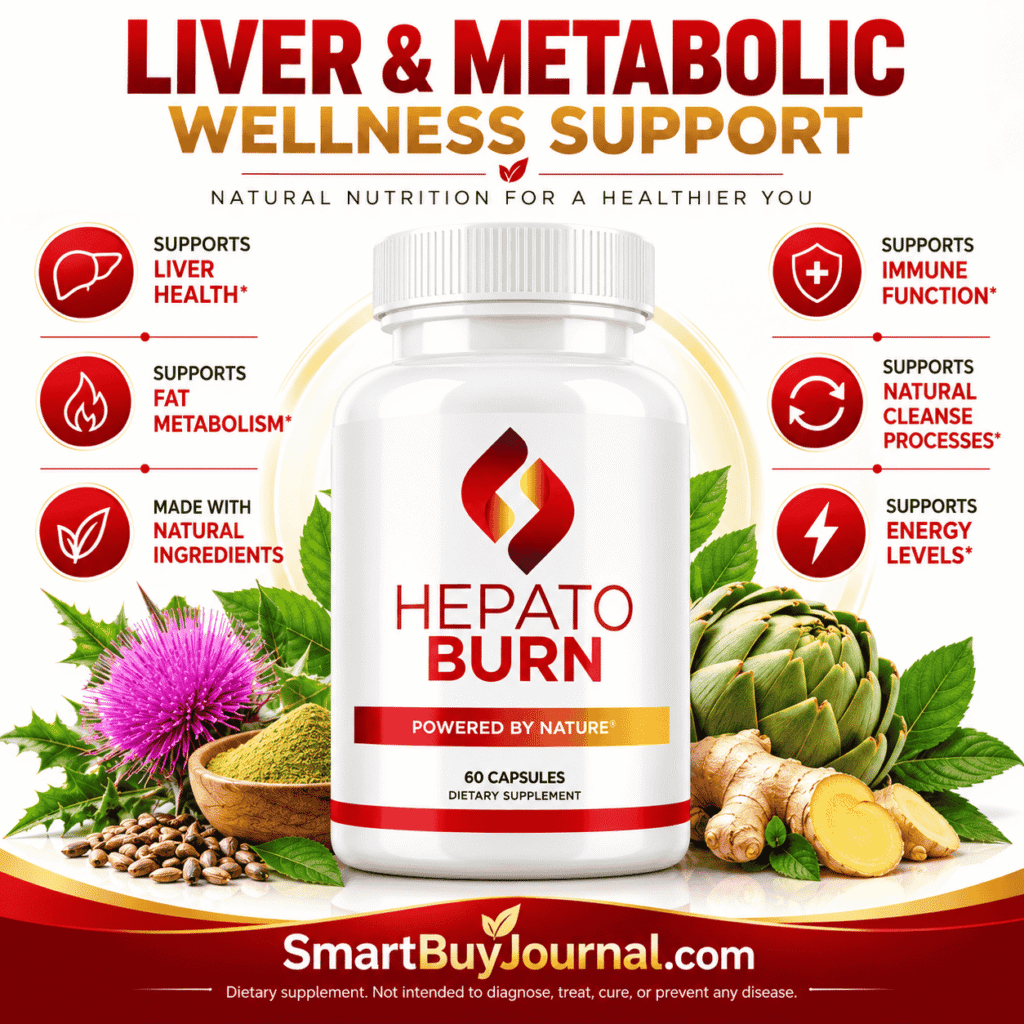
What we know about the ingredients in HepatoBurn
HepatoBurn is a supplement we review on SmartBuyJournal. According to our review page, it is sold as vegetarian capsules (two daily with water) and lists five ingredients: milk thistle (silymarin), berberine, artichoke extract, green tea extract and resveratrol. No ingredient amounts are published on the page, even though it describes the list as “fully disclosed.” The page also states that no published human trials test the finished formula for liver enzymes, liver fat or blood fats. That means any benefit rests on the individual ingredients, not on evidence for the product.
What the medical sources say about two of them:
- Milk thistle. The NIH’s LiverTox resource concludes that milk thistle’s benefit for liver disease is unproven, and that controlled trials in non-alcoholic fatty liver disease found little or no benefit for disease activity or progression. It also rates milk thistle as an unlikely cause of liver injury (LiverTox: milk thistle). The supplement review above notes that some newer analyses suggest lower liver enzymes, but no human data show benefit for fibrosis or survival.
- Green tea extract. LiverTox reports that concentrated green tea extract has been linked to cases of clinically apparent liver injury, including rare cases of liver failure and death, while drinking green tea as a beverage has not been linked to liver injury. The risk is attributed mainly to concentrated extracts, and injury typically appeared within about three months (LiverTox: green tea). Because green tea extract is one of HepatoBurn’s ingredients, anyone with liver disease should talk to their doctor before taking it. We do not know the amount in this product.
We did not find a source we could verify for the effects or liver safety of berberine, artichoke or resveratrol, so we make no claims about them here. HepatoBurn’s own review page advises talking to a doctor if you take blood thinners, diabetes medication, thyroid medication or blood pressure medication, and if you are pregnant, nursing, under 18, or have kidney disease, an autoimmune disorder, a bleeding disorder or surgery planned.
Things to know before buying
- Price and details are inconsistent on the review page. The header shows $79, while the body shows $69 for one bottle, $59 per bottle for three and $49 per bottle for six.
- Timelines for results vary between sections (anywhere from two weeks to three months), which is a sign not to rely on any single figure.
- The page’s two reviews are spam from a single repeated name, so we do not treat them as evidence.
- It is not FDA-evaluated. The product page says the product has not been evaluated by the FDA, and it is not intended to diagnose, treat, cure or prevent disease.
- A 60-day money-back guarantee is advertised. Check the seller’s current terms before you buy.
If you want the full analysis, read our HepatoBurn review. If you are exploring other liver-support products, we also reviewed Liv Pure. For blood sugar, a common companion concern with fatty liver, see our guide to blood sugar control.
Affiliate disclosure: some links on this page are affiliate links, so SmartBuyJournal may earn a commission if you buy through them, at no extra cost to you. This does not change what we write. See our affiliate disclosure.
When to See a Doctor About Foods to Avoid with Fatty Liver
Ask your doctor or a liver specialist to review your foods to avoid with fatty liver if you have been diagnosed with fatty liver, or if you have any of these:
- Persistent tiredness, pain or fullness in the upper right abdomen
- Yellowing of the skin or eyes, dark urine or pale stools
- Swelling in the legs or abdomen
- Abnormal liver blood tests
- Questions about alcohol, medications or supplements
Fatty liver often causes no symptoms, so regular checkups matter even if you feel fine, and a doctor can tailor the foods to avoid with fatty liver to your labs.
Frequently Asked Questions
What are the worst foods to avoid with fatty liver?
The most consistently cited are sugary drinks, foods high in added sugar, foods high in saturated and trans fats, and alcohol. Highly processed foods are usually the main source of these ingredients.
Can you eat eggs with fatty liver?
Eggs are not usually listed among the foods to avoid with fatty liver. They are a common source of protein in many healthy eating patterns, and we did not find a reliable source saying people with fatty liver must avoid them. Ask your doctor how many suit your overall diet and cholesterol.
Is fruit bad for fatty liver?
Whole fruit is not normally on lists of foods to avoid with fatty liver. It is generally treated as a healthy choice, and the NIDDK lists most fruits among lower-glycemic foods. Fruit juice and sweetened drinks are the concern because of their fructose and sugar content.
Is coffee one of the foods to avoid with fatty liver?
Observational research suggests unsweetened filtered coffee may be linked to slower progression. Added sugar and cream change that, and caffeine sensitivity matters, so check with your doctor.
Is alcohol on the list of foods to avoid with fatty liver?
The NIDDK advises minimizing alcohol, and some guidance recommends avoiding it altogether. Your doctor can tell you what is safe for your situation.
Can fatty liver be reversed by avoiding foods to avoid with fatty liver?
Avoiding the foods to avoid with fatty liver helps, but liver specialists describe weight loss and dietary change together as the core treatment for many people, and report improvement in liver fat with 5 to 10 percent weight loss. Results vary by person and by stage of disease, and nothing is guaranteed.
Do liver supplements work?
No supplement is proven to cure fatty liver, and none replaces the foods to avoid with fatty liver. Evidence for individual ingredients ranges from weak to mixed, and some concentrated extracts have been linked to liver injury. Talk to your doctor before taking one.
Is HepatoBurn safe for fatty liver?
We cannot say. Its review page states that the finished formula has not been tested in human trials, the ingredient amounts are not published, and it contains green tea extract, which carries a liver-injury warning in LiverTox. Ask your doctor first.
Conclusion: Foods to Avoid with Fatty Liver in a Nutshell
The foods to avoid with fatty liver are not a mystery: cut back on sugary drinks, added sugar, highly processed foods, saturated and trans fats, and alcohol, and build meals around vegetables, whole grains, lean protein and healthy fats. Gradual weight loss, regular movement and checkups with your doctor do the heavy lifting. Supplements are optional and unproven compared with simply following the foods to avoid with fatty liver advice above, and they should never replace medical care.
Medical Disclaimer
This article is for general information only and is not medical advice, diagnosis or treatment. It is not written or reviewed by a physician. Fatty liver can be a sign of other health problems, so talk to a qualified healthcare professional before changing your diet, medications or supplements, particularly if you are pregnant or nursing, take medication, drink alcohol or have another medical condition. Results vary and nothing here guarantees an outcome.