Eye Drops Recalled: Is Visiflora Safe to Use?
Introduction
Searching for eye drops recalled information is a sensible step when you are unsure about a product’s safety. Because eye products are used close to sensitive tissues, contamination, damaged packaging, incorrect labeling, or poor storage can create real concerns. Before using Visiflora, it is important to identify the product type and check its packaging carefully.
Many people search eye drops recalled after seeing an online warning, a social media post, or a message from a retailer. However, not every warning is accurate, and a recall may apply only to a specific batch, expiration date, package size, or country. Checking official information is safer than relying on an unverified post.
This guide explains how to check Visiflora, how recall notices work, what symptoms require attention, and what to do if you have already used a product that may be affected. It also explains the difference between a liquid eye product and an oral eye-health supplement.
Important: This article is for general information only. It does not diagnose, treat, or prevent eye disease. Contact an optometrist, ophthalmologist, pharmacist, or other qualified healthcare professional if you have pain, sudden vision changes, swelling, discharge, or severe irritation.
What Does “Eye Drops Recalled” Mean?
The phrase eye drops recalled describes a situation in which a manufacturer, distributor, or regulatory authority asks consumers to stop using a particular eye-drop product. The action may be voluntary or required by a government regulator.
A recall does not always involve every item made by a company. It may affect only:
- A specific product
- A particular lot or batch
- A certain expiration date
- One package size
- Products sold through selected retailers
- Products distributed in one country
- Units produced at a particular facility
When reading an eye drops recalled notice, compare the exact product information. A similar product name does not necessarily mean that your bottle is included.
Why are eye drops recalled?
Eye drops may be recalled for several reasons, including:
- Possible microbial contamination
- A concern about sterility
- Particles in the solution
- Damaged or faulty dropper tips
- Incorrect labeling
- Incorrect concentration
- Packaging that does not protect the contents
- Undeclared ingredients
- Manufacturing or quality-control problems
The reason for an eye drops recalled action matters because it explains the possible risk and tells consumers what to do next. Some notices recommend immediate discontinuation, while others apply only to selected units.
Recall, market withdrawal, and safety alert
These terms are sometimes used differently:
- Recall: A product is removed or corrected because it may violate safety or quality requirements.
- Market withdrawal: A company removes a product for a minor issue that may not involve a health risk.
- Safety alert: A regulator warns consumers about a possible danger or important product information.
Always read the complete notice rather than focusing only on the headline.
Has Visiflora Been Named in an Eye Drops Recalled Notice?
Recall information can change over time and may vary between countries. A product may also be sold through different websites, distributors, and marketplaces. For that reason, consumers should verify the exact product instead of relying on the name alone.
If you are checking an eye drops recalled warning involving Visiflora, compare these details:
- Exact product name
- Product category
- Manufacturer or distributor
- Lot or batch number
- Expiration date
- Package size
- Country of purchase
- Retailer or website
You can review available product information here: Visiflora review.
Check official sources
In the United States, the U.S. Food and Drug Administration provides information about recalls, market withdrawals, and safety alerts. You can search the official FDA recalls and safety alerts page by product name, company, or lot number.
Consumers in other countries should check the website of their national medicine or medical-device regulator. A licensed pharmacist may also help you understand an eye drops recalled notice.
What if you cannot find a notice?
The absence of a notice does not automatically prove that a product is suitable for you. It may mean that:
- The product has not been recalled
- The notice uses a different product name
- The issue is limited to another country
- The information has not yet been published
- The product is not classified as a medicine or medical device
If the label is unclear or the product appears damaged, avoid using it until the manufacturer or a healthcare professional provides guidance.
Is Visiflora an Eye Drop or an Oral Eye-Health Supplement?
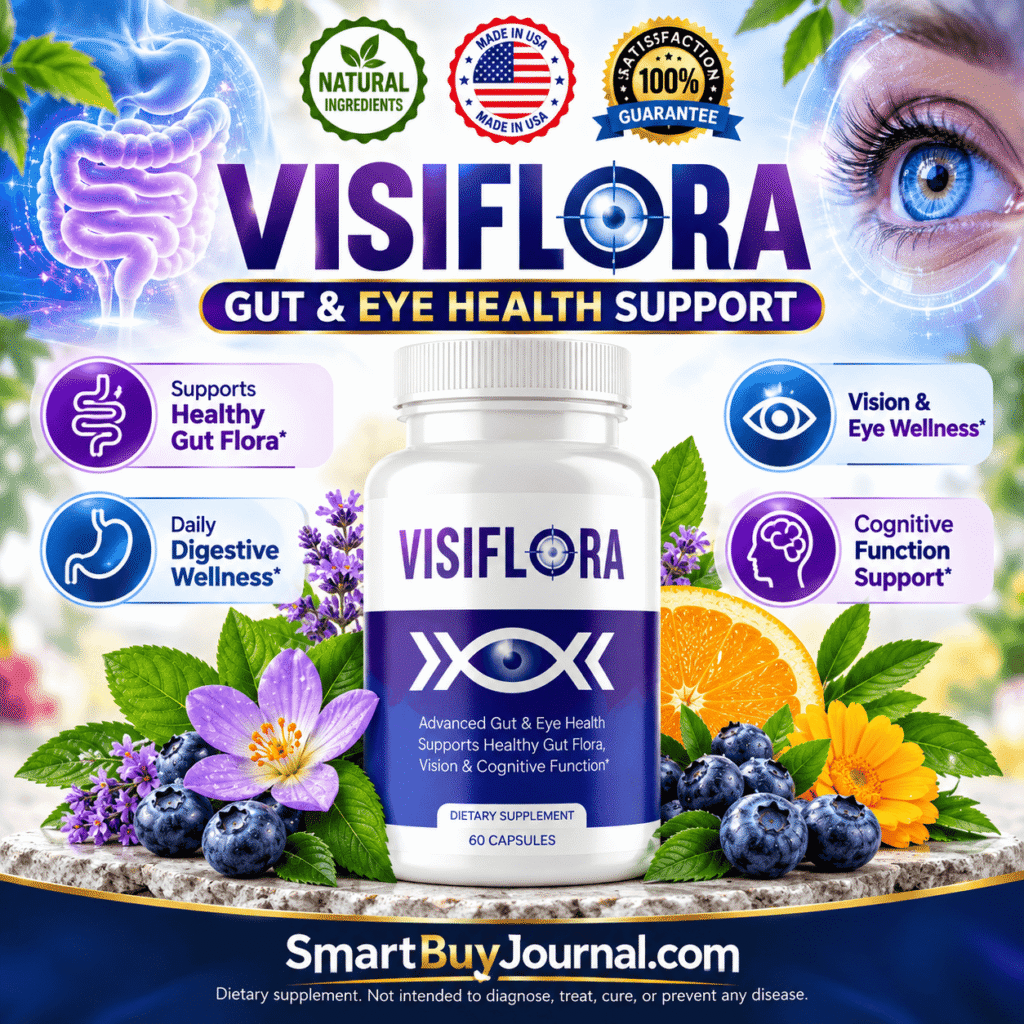
Before assessing an eye drops recalled concern, identify how Visiflora is intended to be used. Some products are sterile liquids placed directly into the eye. Other products are oral capsules or nutritional supplements marketed for vision support.
These product categories have different safety requirements.
Products applied directly to the eye
A liquid that goes directly into the eye should be manufactured, packaged, and stored under appropriate quality controls. Sterility is particularly important because the product is applied to a sensitive area.
Never put an oral supplement, homemade preparation, essential oil, or non-sterile liquid into the eye. A product described as supporting “eye health” is not automatically safe for direct application.
Oral eye-health supplements
An oral supplement is swallowed and may contain vitamins, minerals, or botanical ingredients. Its risks differ from those associated with sterile eye drops, although it may still cause side effects or interact with medication.
Read the product label to identify:
- Whether the product is swallowed or applied
- The suggested serving
- Active ingredients
- Warnings and precautions
- Allergy information
- Storage directions
- Manufacturer details
If the directions are unclear, contact the seller or manufacturer before using it. This simple check can prevent confusion when an eye drops recalled search relates to a product that is not actually an eye drop.
How to Check an Eye Drops Recalled Warning
When checking an eye drops recalled notice, begin with the product packaging. The bottle, carton, label, or seal may contain information that confirms whether your unit is affected.
Details to locate on the package
Look for:
- Exact product name
- Manufacturer name
- Lot or batch number
- Expiration date
- Package size
- Barcode
- Registration or authorization number
- Retailer information
- Distributor information
Compare each detail with the official notice. The product name by itself may not be enough.
Why lot numbers matter
A lot number identifies a group of products made during a particular manufacturing period. If a quality issue is discovered, the manufacturer may recall only that group instead of every unit.
This is why a product with the same name may be safe in one batch but included in an eye drops recalled notice in another batch. Always check the lot number when one is provided.
What if the packaging is missing?
If you no longer have the carton or the lot number is unreadable, avoid using the product until its identity is confirmed. Contact the retailer or manufacturer and provide photographs if possible.
If no one can verify the product, it is safer not to use it. This is especially important when the bottle has no label, the seal is broken, or the product was purchased from an unknown seller.
Warning Signs After Using Eye Products
If you experience unusual symptoms after using an eye product, stop using it and seek appropriate advice. Do not continue simply because the reaction seems mild.
Possible warning signs include:
- Persistent burning or stinging
- Increasing redness
- Swelling around the eye
- Eye pain
- Blurred or reduced vision
- Excessive tearing
- Thick or unusual discharge
- Light sensitivity
- A feeling that something is stuck in the eye
- A rash around the eyelids
These symptoms can have several causes, including allergies, infection, dry eye, an underlying condition, or a product problem. A professional examination may be necessary.
When to seek urgent medical care
Seek urgent help if you experience:
- Sudden vision loss
- Severe eye pain
- Significant swelling
- Serious light sensitivity
- Chemical exposure
- A foreign object in the eye
- New flashes or many floaters
- Symptoms after using a product included in an eye drops recalled warning
Do not wait for an online answer when your vision suddenly changes or your eye becomes severely painful.
Keep a record of symptoms
If you develop a reaction, record:
- Product name
- Time of use
- Number of applications
- Lot number
- Expiration date
- Symptoms
- Other products used near the same time
This information may help a healthcare professional or regulator understand the situation.
What to Do If Your Product Is Recalled
If an official eye drops recalled notice confirms that your product is affected, stop using it and follow the instructions in the notice. The manufacturer or regulator may explain how to return, dispose of, or report the product.
Recommended steps
- Stop using the affected product.
- Keep the bottle, box, and receipt if available.
- Record the lot number and expiration date.
- Follow the official return or disposal instructions.
- Contact a healthcare professional if you have symptoms.
- Report a suspected reaction through the appropriate channel.
Do not give the product to another person. Do not transfer it to a different container. Moving the liquid can make identification more difficult and may increase the risk of contamination.
What if you have no symptoms?
Follow the recall instructions even if you feel well. Some quality problems may not cause immediate symptoms. A recall is based on a safety or manufacturing concern, not only on visible reactions.
If the product was prescribed for an eye condition, contact the prescribing clinician before stopping treatment. Ask about a suitable replacement.
What if the product was purchased online?
Keep the order confirmation, seller information, and delivery details. Contact the seller and manufacturer, but do not rely only on the seller’s response if an official eye drops recalled notice has been issued.
How to Use Eye Products More Safely
Good handling practices can reduce contamination and prevent avoidable problems. These steps are useful even when there is no current eye drops recalled notice.
Safe-use habits
- Wash and dry your hands before use.
- Do not touch the dropper tip to your eye.
- Keep the container closed between uses.
- Never share eye products.
- Follow the storage instructions.
- Do not use products past their expiration date.
- Avoid bottles with broken seals.
- Keep the product away from heat when required.
- Do not use a bottle that leaks.
- Stop using a solution containing visible particles.
If the liquid changes color, develops floating material, or develops an unusual smell, stop using it and contact a pharmacist or manufacturer.
Contact-lens precautions
Contact-lens users should check whether a product is suitable for use with lenses. Some products require lenses to be removed before application. Others may not be appropriate for contact-lens users.
Follow the label and instructions from your optometrist or ophthalmologist. Do not use another person’s eye drops to treat discomfort caused by contact lenses.
Storage and expiration
Heat, sunlight, moisture, and improper storage can affect product quality. Store the product exactly as directed and do not leave it in a hot vehicle or damp bathroom unless the label specifically permits those conditions.
An expired product should not be used, even if it looks normal. Expiration dates relate to product quality and safety, not only appearance.
How to Review Visiflora Ingredients and Claims
Marketing language does not always provide enough information to judge safety. When reviewing Visiflora, separate general wellness statements from claims about treating medical conditions.
Review the complete label
Look for:
- Complete ingredient names
- Amount per serving
- Suggested use
- Warnings
- Contraindications
- Allergen information
- Manufacturer details
- Lot and expiration information
If important details are missing, contact the manufacturer before purchase or use.
Natural does not mean risk-free
Natural ingredients can cause allergic reactions or interact with medicine. Vitamins and minerals may also cause problems when taken in excessive amounts or combined with similar products.
Tell your healthcare professional about all products you use, including supplements marketed for:
- Vision support
- Eye comfort
- Circulation
- Antioxidant support
- General wellness
Be careful with strong claims
Be skeptical of statements that a product can:
- Restore lost vision
- Cure cataracts
- Reverse glaucoma
- Replace prescription eye treatment
- Eliminate the need for surgery
- Guarantee protection from blindness
An eye-health product should not replace an eye examination, prescribed medication, or professional treatment plan.
Look for transparent information
A trustworthy product page should clearly explain what the product is, how it is used, what it contains, and who should avoid it. If the information is vague, exaggerated, or inconsistent with the packaging, delay use until you receive clarification.
How to Find Reliable Eye Drops Recalled Information Online
Searching for eye drops recalled can produce old articles, copied warnings, and posts that do not identify the affected product. Reliable information should include clear product details and an official source.
A trustworthy notice usually provides:
- Product name
- Manufacturer
- Lot or batch information
- Expiration dates
- Reason for the action
- Consumer instructions
- Contact information
- Publication or update date
Do not share an eye drops recalled warning that does not identify the product clearly. Inaccurate posts can cause anxiety or lead people to stop important prescribed treatment.
Useful sources
For reliable information, consult:
- The U.S. Food and Drug Administration
- Your country’s medicine regulator
- The American Academy of Ophthalmology
- A licensed pharmacist
- An optometrist or ophthalmologist
- The product manufacturer
Use official sources for recall details and qualified professionals for personal medical advice.
Search using more than the product name
If the first search does not provide an answer, try searching with:
- Product name and manufacturer
- Product name and lot number
- Product name and safety alert
- Product name and recall
- Active ingredient and recall
- Retailer and product name
This can help distinguish a current notice from an old or unrelated result.
Common Mistakes When Checking a Recall
People often make avoidable errors when they see an eye drops recalled warning online.
Assuming every similar product is affected
A recall may involve one lot, package size, or expiration date. Check the complete notice before discarding unrelated products.
Continuing to use a questionable bottle
If the bottle is damaged, unsealed, leaking, or contaminated-looking, do not use it while waiting for confirmation.
Sharing eye products
Sharing can spread infection and may expose another person to ingredients that are unsuitable for their condition.
Relying only on customer reviews
Reviews can describe personal experiences, but they do not prove that a product is sterile, effective, or safe for everyone.
Ignoring symptoms
Pain, vision changes, swelling, and unusual discharge deserve attention. Do not dismiss them as a normal adjustment without professional guidance.
Stopping prescribed treatment without advice
An online recall post may refer to a different product. Confirm the exact details and contact your prescriber before changing necessary treatment.
Buying from an unknown seller
Products from unauthorized sellers may be expired, counterfeit, improperly stored, or incorrectly labeled. Use reputable retailers and keep purchase records.
Frequently Asked Questions
1. What should I do after seeing an eye drops recalled notice?
Check the official notice for the product name, manufacturer, lot number, and expiration date. If your product matches, stop using it and follow the instructions for disposal, return, or medical follow-up.
2. Has Visiflora been recalled?
Recall status may change by country, product type, and batch. Check current notices from the relevant regulator and compare them with the product details on your Visiflora packaging.
3. Can I use Visiflora if the lot number is missing?
Avoid using a product with missing or unreadable identification details until the manufacturer, pharmacist, or healthcare professional confirms what it is.
4. Are all recalled eye drops dangerous?
A recall may involve contamination, packaging, labeling, or another quality issue. The risk depends on the specific notice, but consumers should always follow official instructions.
5. What symptoms may occur after using contaminated eye drops?
Possible symptoms include redness, burning, pain, swelling, discharge, blurred vision, and light sensitivity. Serious, worsening, or sudden symptoms need prompt medical attention.
6. Can I use expired eye drops?
Expired eye drops should generally be avoided. Sterility, potency, and product quality may not be reliable after the expiration date.
7. Should I stop prescribed eye medication after reading an online warning?
Do not stop prescribed treatment based only on an unverified post. Confirm whether your exact product is affected and contact your prescribing clinician for advice.
8. Where can I verify an eye drops recalled announcement?
Check the FDA or your country’s official medicine regulator. You can also contact the manufacturer or ask a licensed pharmacist to help interpret the notice.
Conclusion
The search for eye drops recalled information reflects a valid safety concern, but the right response is verification rather than panic. Check the exact product name, product category, lot number, expiration date, manufacturer, and country of purchase.
For Visiflora, first determine whether the product is an oral supplement or a liquid intended for direct application to the eyes. Follow the label carefully, avoid damaged or unidentified products, and use official regulatory sources when checking an eye drops recalled notice.
If you experience eye pain, sudden vision changes, severe irritation, swelling, or unusual discharge, seek help from an eye-care professional. Careful product checking and timely medical advice can help protect your eye health.