

Your morning cup might be doing a little more than waking you up. At least, that’s the idea behind countless headlines asking can coffee help you lose weight.
The honest answer is “a little, maybe, under the right conditions.” Coffee isn’t a weight-loss treatment, and the effects seen in studies are small.
This guide covers what research says about coffee and weight loss, how caffeine and metabolism are linked, and what happens with appetite. It also covers the downsides, who should limit caffeine, and how plain coffee differs from supplements. We’ll briefly cover where products like Java Burn fit, too.
Affiliate disclosure: SmartBuyJournal.com participates in affiliate programs. We may earn a commission if you buy through links on this site, at no extra cost to you. This never changes our conclusions.
Medical disclaimer: This article is for education only and is not medical advice. These statements have not been evaluated by the FDA, and supplements are not intended to diagnose, treat, cure, or prevent any disease. Talk to your doctor before changing your caffeine intake or starting a supplement, especially if you are pregnant, take medication, or have a medical condition.
Can Coffee Help You Lose Weight? The Short Answer
Here’s the quick version:
- Plain black coffee has almost no calories, so it can fit easily into a weight-loss plan.
- Caffeine may slightly increase energy use and fat metabolism in short-term studies.
- Real-world effects on body weight look small, and most trials are short.
- What you add to the cup (sugar, syrups, cream) can erase any benefit.
- Coffee can’t target belly fat or replace diet, activity, and sleep.
So can coffee help you lose weight? It can support a plan, but it can’t replace one.
What Coffee Does in Your Body
Coffee contains caffeine, a stimulant that blocks adenosine, a chemical that makes you feel tired. That’s why you feel more alert.
Caffeine also nudges your nervous system, which can slightly raise energy expenditure and the release of fat from storage. Those effects are the root of the “coffee for fat loss” idea.
Caffeine and Metabolism: A Small, Short-Lived Boost
A 2023 systematic review and meta-analysis of 94 randomized trials found that caffeine acutely increased fat metabolism by a small-to-moderate amount [1]. The effect was greater at rest than during exercise, and dose didn’t clearly change it.
There’s an important catch. “Burning fat” in a lab measurement isn’t the same as losing body fat over months. Regular coffee drinkers also develop tolerance to caffeine, which can shrink its effects over time.
That’s why many people ask can coffee help you lose weight, and why the answer is more cautious than the headlines.
What Research Says About Coffee and Weight Loss
Here’s how researchers have tried to answer can coffee help you lose weight.
Observational Studies
A meta-analysis of 12 observational studies found that higher coffee intake was modestly associated with lower adiposity, especially in men. But the BMI difference was tiny, about 0.08 units [2]. Observational data can’t prove cause and effect. Coffee drinkers may simply differ in other habits.
Randomized Trials
A dose-response meta-analysis of 13 randomized trials with 606 participants found that caffeine intake was linked to reductions in weight, BMI, and body fat [3]. That sounds encouraging.
But the effects were small, the trials were short, and some tested caffeine inside combination products. That makes it hard to credit caffeine alone, and it’s not evidence that your daily latte will melt fat.
Genetic Evidence
A genetic study published in BMJ Medicine found that people genetically predisposed to higher blood caffeine levels tended to have lower BMI and fat mass [4]. The authors called for randomized trials to confirm it. A genetic link is not proof that drinking more coffee causes weight loss.
Weight-Loss Maintenance
One study of people who kept weight off found that they drank more caffeinated beverages than the general population [5]. That’s an association, not a cause. People who stay active and structured may also happen to drink more coffee.
So can coffee help you lose weight, according to the evidence? Slightly, at best, and not reliably.
Can Coffee Help You Lose Weight by Curbing Appetite?
Many people say coffee blunts hunger, at least for a while. Short-term studies on this are mixed.
Appetite effects vary by person, and tolerance develops with habitual use. Some people get jittery and eat more later. Others skip meals, which can backfire.
So, can coffee help you lose weight by curbing appetite? Not reliably. Don’t use coffee to replace meals, because under-eating can lead to overeating, low energy, and poor nutrition.
Coffee for Fat Loss: What You Add Matters Most
This is where many plans fall apart. Black coffee has almost no calories. Many specialty drinks don’t.
If you’re asking can coffee help you lose weight, the answer changes fast once syrup, whipped cream, or sweetened creamer enters the cup. Some drinks contain as many calories as a small meal.
Smart swaps include:
- Black coffee, or a splash of milk
- Unsweetened plant milk
- Cinnamon or vanilla extract instead of syrup
- A smaller size or fewer pumps of syrup
- Skipping “bulletproof” additions like butter or oil unless they fit your calorie goals
Also watch the extras you eat with coffee, like pastries or muffins. They count too.
Caffeine Side Effects and Safe Limits
More caffeine isn’t better. Before asking can coffee help you lose weight, ask whether your current intake is already high.
For most healthy adults, the FDA cites 400 milligrams a day, about two to three 12-ounce cups of coffee, as an amount not generally linked to negative effects [6].
Too much caffeine can cause:
- Jitters and restlessness
- Fast or irregular heartbeat
- Anxiety
- Upset stomach or heartburn
- Trouble sleeping
The FDA also notes that children and teens can have heart palpitations, higher blood pressure, anxiety, and sleep problems from too much caffeine [6]. Guidance for pregnancy is lower; organizations such as the American College of Obstetricians and Gynecologists advise limiting caffeine to about 200 milligrams a day [9].
Remember to count all sources, including tea, soda, energy drinks, and pre-workout powders.
Coffee, Sleep, and Weight
Sleep is part of the weight picture. When you’re short on sleep, healthy choices often get harder.
Caffeine can work against you here. In a small study of 12 healthy sleepers, 400 milligrams of caffeine taken six hours before bed reduced total sleep time by more than an hour, and participants didn’t notice [7].
So even if the answer to can coffee help you lose weight is “a little,” a late-afternoon cup can cost you rest. A good rule is to stop caffeine at least six hours before bedtime.
Who Should Limit Caffeine or Talk to a Doctor First?
Some people should be more careful. Talk to a healthcare professional if you:
- Are pregnant, breastfeeding, or trying to conceive
- Have anxiety or panic attacks
- Have a heart rhythm problem or high blood pressure
- Have insomnia or poor sleep
- Have acid reflux, ulcers, or irritable bowel symptoms
- Take medication that interacts with caffeine
- Are under 18
Some people shouldn’t be asking can coffee help you lose weight at all. They should be asking whether coffee is safe for them.
A Note on Using Coffee to Skip Meals
If you find yourself using coffee to avoid eating, or you feel anxious about food and weight, please reach out for support. A doctor or registered dietitian can help. In the U.S., the National Alliance for Eating Disorders offers a helpline and resources.
Plain Coffee vs. Weight-Loss Supplements
Studies on coffee and caffeine can’t be applied to every product sold with “coffee” on the label.
The NIH Office of Dietary Supplements notes that most weight-loss supplements contain multiple ingredients, which makes it hard to know what each one does. It also reports that a U.S. Government Accountability Office review concluded little is known about whether these supplements work, and that some are linked to harm [8].
Weight-loss supplements can interact with medications, and some products sold as supplements have been found to contain hidden prescription drugs [8]. NIH has also noted that green tea extract pills have been linked to liver damage in some people, even though drinking green tea is generally considered safe.
Studies asking can coffee help you lose weight test coffee or caffeine, not branded powders. Keep those two evidence bases separate.
What About Java Burn?
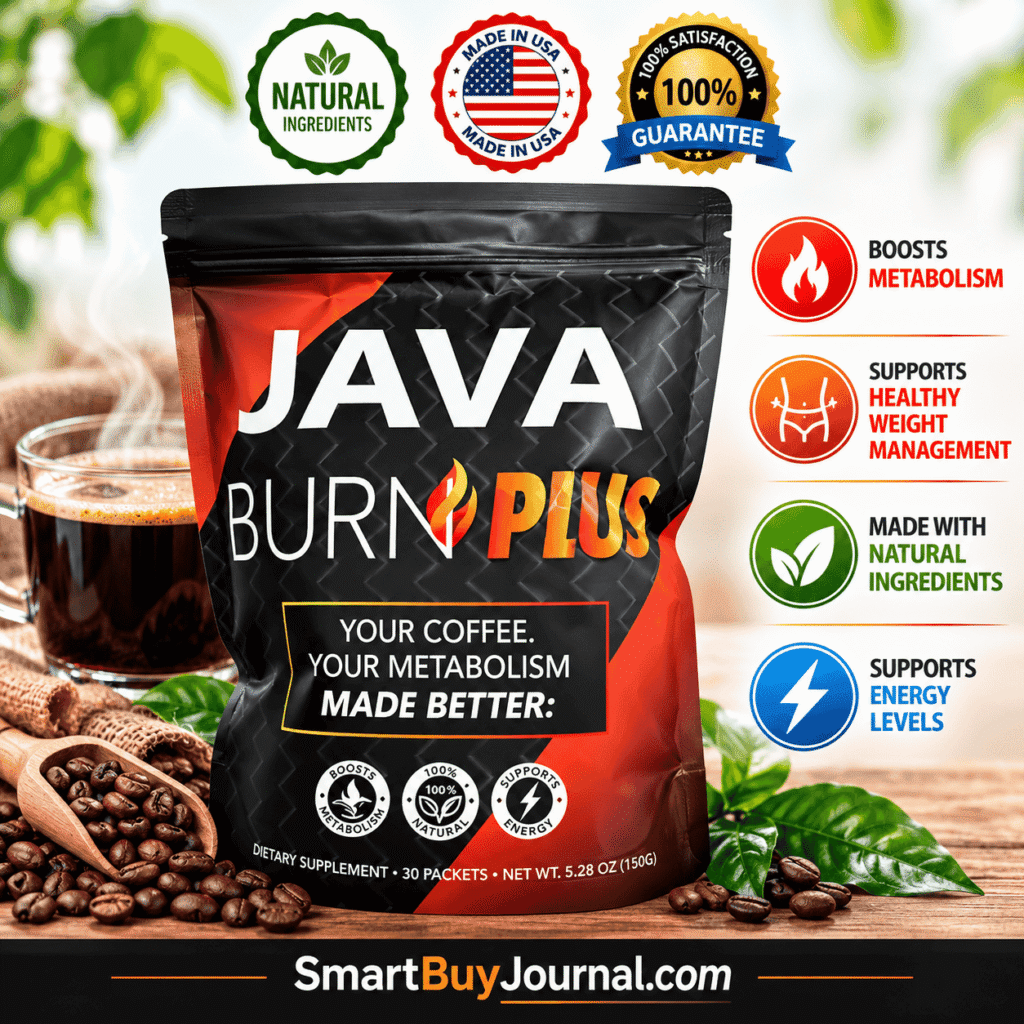
Java Burn is a powder packet you stir into coffee. According to our product page, it contains green tea extract (EGCG), L-theanine, L-carnitine, chromium, and vitamins B6, B12, and D. It contains no caffeine of its own, so any caffeine comes from your coffee.
Here’s the fair take:
- The studies behind can coffee help you lose weight involve coffee or caffeine, not this product.
- Our product page states that no published clinical trials test the finished Java Burn formula, and exact ingredient amounts aren’t disclosed.
- Green tea extract in concentrated form deserves caution, especially if you have liver concerns or take medication.
Java Burn isn’t a proven treatment, and nothing here should be read as a promise of fat loss. If you want the full ingredient breakdown, pros and cons, and safety notes, see our Java Burn review. Check with your doctor first if you take medication or have a health condition.
How to Use Coffee Wisely If You’re Trying to Lose Weight
If you decide the answer to can coffee help you lose weight is worth testing for yourself, keep it simple:
- Keep it plain. Black or lightly lightened coffee keeps calories low.
- Stay within limits. Aim well below 400 milligrams a day unless your doctor says otherwise.
- Watch the clock. Stop caffeine at least six hours before bed.
- Don’t skip meals. Coffee isn’t a meal.
- Drink water too. Caffeine can be mildly dehydrating for some people.
- Track results honestly. Notice sleep, mood, appetite, and your actual weight trend.
- Stop if it backfires. If you feel anxious, shaky, or can’t sleep, cut back.
What Actually Drives Weight Loss
Coffee is a small piece. These factors matter far more:
- Overall calories compared with how much you burn
- Protein, fiber, and whole foods that keep you full
- Regular movement, including strength training
- Sleep and stress management
- Medical conditions and medications that affect weight
A doctor or registered dietitian can build a plan around your health. If coffee helps you feel more energized for walks or workouts, that’s a fair benefit. Just don’t expect it to do the work for you.
Frequently Asked Questions
Can coffee help you lose weight without dieting?
Not in any meaningful way. Studies show small effects at best, and calories from food and drinks matter far more. Coffee can support a plan but can’t replace one.
How much coffee is safe each day?
For most healthy adults, the FDA cites up to 400 milligrams of caffeine, about two to three 12-ounce cups [6]. Pregnant people, teens, and those with certain health conditions should aim lower and ask their doctor.
Can coffee help you lose weight faster if I drink more of it?
No. More caffeine increases side effects like jitters and poor sleep, and tolerance can reduce its effect. Higher intake isn’t a safe shortcut.
Does black coffee burn belly fat?
No. You can’t target fat in one area. Black coffee may slightly raise energy use, but it doesn’t specifically reduce belly fat.
Does decaf coffee help with weight loss?
There’s little evidence that it does. Most of the metabolic effect studied comes from caffeine, so decaf is unlikely to offer the same effect.
When is the best time to drink coffee?
Morning or early afternoon works for most people. Stopping at least six hours before bed helps protect sleep [7].
Is Java Burn safe to add to coffee?
Safety depends on your health and medications. Our product page notes no published trials on the finished formula, so talk to your doctor or pharmacist first, especially if you take blood sugar or blood-thinning medication or have liver issues.
Conclusion
So can coffee help you lose weight? The evidence says a little, in short-term studies, but it isn’t a dependable weight-loss tool. Caffeine may modestly raise fat metabolism, but tolerance, added calories, and poor sleep can easily cancel the benefit.
If you enjoy coffee, keep it plain, stay within safe limits, and protect your sleep. Treat it as a pleasant habit that may support your plan, not the plan itself.
Be cautious with products that claim to supercharge your cup. The research on whether can coffee help you lose weight is about coffee, not supplements, and no add-on replaces good food, movement, rest, and medical guidance.
Pick one change this week. Swap a sweetened drink for a lighter one, or move your last cup earlier in the day. Small, steady habits do more than any beverage.