

Table of Contents
- Quick Answer: How Long Does Melatonin Take to Work?
- What Is Melatonin and How Does It Work?
- Melatonin Timing: Detailed Timeline and What Happens
- Factors That Affect How Long Melatonin Takes to Work
- How to Optimize Melatonin for Faster, Better Results
- What Research Shows About Melatonin Effectiveness
- Common Melatonin Timing Questions Answered
- Melatonin Limitations: What It Can’t Do
- Better Sleep Solutions Beyond Melatonin Alone
- Final Answer: How Long Does Melatonin Take to Work?
Introduction: Understanding Melatonin Timing and Why It Matters
You take a melatonin supplement hoping to fall asleep. But nothing happens. You wait 10 minutes. Still awake. You wait 30 minutes. You’re frustrated and wondering: “How long does melatonin take to work? Is this even working? Should I take more?”
Melatonin is one of the most popular sleep supplements available today. Millions of people worldwide use it nightly to support healthy sleep. Yet many users are frustrated because they don’t understand how melatonin works or how long it actually takes to be effective.
The truth is: melatonin timing is complex and depends on multiple factors. How long melatonin takes to work depends on:
• The dose you take
• The form (tablet, liquid, gummy, capsule)
• When you take it relative to bedtime
• Your individual metabolism
• Your personal sensitivity to melatonin
• What you’ve eaten that day
• Your circadian rhythm
In this comprehensive guide, we answer the question: “How long does melatonin take to work?” We explain the science, discuss the timing factors, review what current research shows, provide optimization strategies, and help you maximize melatonin’s benefits.
By the end of this guide, you’ll understand exactly how melatonin works, realistic timeframes for effectiveness, how to optimize melatonin use for better results, and when melatonin might not be the best solution.
Quick Answer: How Long Does Melatonin Take to Work?
Most melatonin supplements take 30 to 60 minutes to reach peak effectiveness in your bloodstream. However, the actual timeframe varies widely between 15 minutes (fast response) and 120+ minutes (slow response).
Typical timeline for melatonin to work:
Timeframe | Experience | What to Expect |
15-30 minutes | Fast Response | Liquid melatonin, high sensitivity, empty stomach |
30-60 minutes | Average Response | Standard tablets, normal metabolism, typical use |
60-90+ minutes | Slow Response | Extended-release, slow metabolism, with food |
|
|
|
Key factors affecting melatonin timing:
- Form: Liquid melatonin works faster (15-30 min) than tablets (30-60 min)
- Dose: Standard 1-3mg typical dose; higher doses may work slightly faster
- Stomach contents: Empty stomach = faster absorption (20-30 min); with food = slower (45-90 min)
- Individual metabolism: Fast metabolizers feel effects in 15-30 minutes; slow metabolizers need 60-90 minutes
- Individual sensitivity: Some people are naturally sensitive to melatonin; others barely notice at 60 minutes
- Circadian timing: Taking melatonin in alignment with your natural sleep time makes it work faster and better
What Is Melatonin and How Does It Work?
Melatonin is a natural hormone produced by your pineal gland in your brain. It’s your body’s natural sleep-wake cycle regulator, also known as your circadian rhythm.
When evening arrives and light decreases, your body naturally produces more melatonin. This chemical signal tells your brain: “It’s time to sleep.” Melatonin levels rise throughout the evening, peak around 2-3 AM, then gradually decline toward morning as your body prepares to wake.
Melatonin doesn’t force you to sleep like sedative medications do. Instead, it supports and enhances your body’s natural sleep processes. It makes sleep feel natural rather than artificially induced.
Key differences between melatonin and prescription sleep medications:
• Melatonin works WITH your body’s natural processes
• Prescription sleep drugs force artificial sleep
• Melatonin doesn’t create dependency or tolerance
• Prescription medications can cause dependence
• Melatonin has minimal side effects for most people
• Prescription medications have more significant side effects
How melatonin helps sleep:
Melatonin supplements work by increasing melatonin levels in your bloodstream, mimicking the natural evening rise. This artificial boost signals to your body that it’s time to sleep, supporting your natural sleep process.
Melatonin can help with:
• Falling asleep faster (reduced sleep onset time)
• Adjusting to new sleep schedules (travel, shift work)
• Managing jet lag and time zone changes
• Resetting disrupted sleep cycles
• Improving overall sleep quality when circadian rhythm is disrupted
Melatonin Timeline: Detailed Breakdown of What Happens When You Take It
Minutes 0-15: Initial Absorption Phase
After you take melatonin, your digestive system begins breaking down the supplement. The melatonin travels through your stomach into your small intestine where absorption begins. Most people don’t feel any effects during this phase. However, if you’re very sensitive to melatonin or taking a liquid form on an empty stomach, you might start noticing subtle drowsiness around the 10-15 minute mark.
Minutes 15-30: Early Absorption and Rising Blood Levels
Melatonin is actively being absorbed into your bloodstream. Blood melatonin levels are rising. The peak hasn’t been reached yet, but you’re on the path to effectiveness. Some people with high sensitivity report noticing effects around the 20-30 minute mark—a gentle drowsiness, relaxation, or a calm focus.
Minutes 30-60: Peak Effectiveness Window
This is the critical window where most people experience melatonin’s full effect. Blood melatonin levels have peaked or are near peak concentration. This is typically when melatonin ‘kicks in’ most noticeably. You feel drowsy, your body feels relaxed, your mind calms down, and falling asleep becomes easier and more natural. This is the ideal time to be in bed attempting to sleep.
Minutes 60-120: Maintained Therapeutic Levels
Melatonin remains at effective levels in your bloodstream. You should be falling asleep or already sleeping during this window. Your body is working optimally to support sleep. If you’ve successfully fallen asleep, this is when deep sleep begins. If you’re still awake, the melatonin effect will gradually fade as your body metabolizes it.
Hour 3+: Gradual Decline
Melatonin levels gradually decrease as your body metabolizes and eliminates it. By 3-5 hours after taking melatonin, levels return to baseline. If you’ve successfully fallen asleep, your body’s natural melatonin production takes over to maintain sleep. If you haven’t fallen asleep by this point, melatonin’s effectiveness diminishes significantly.
Factors That Affect How Long Melatonin Takes to Work
1. Form of Melatonin (Type and Format)
The format you choose significantly impacts how quickly melatonin works:
• Liquid melatonin: 15-30 minutes (fastest absorption)
• Standard tablets: 30-60 minutes (moderate)
• Extended-release tablets: 60-90 minutes (slower, designed for sustained release)
• Melatonin gummies: 30-45 minutes (similar to tablets)
• Sublingual (under tongue) melatonin: 15-25 minutes (fast absorption)
Liquid melatonin bypasses the need for your stomach acid to break down a tablet, allowing faster absorption into your bloodstream. Extended-release formulas are specifically designed to release melatonin gradually over several hours rather than all at once.
2. Melatonin Dose Amount
The amount of melatonin you take affects how quickly it works:
• Low dose (0.1-0.5mg): May take 45-90 minutes
• Standard dose (0.5-3mg): Takes 30-60 minutes
• Higher dose (5-10mg): May work slightly faster (20-45 minutes)
Interestingly, more melatonin doesn’t necessarily work better. Research suggests that 0.5-1mg is effective for most people. Very high doses (5-10mg) just mean higher blood levels that peak faster, but don’t necessarily improve sleep quality. Many sleep experts recommend starting with 0.5mg or 1mg before increasing the dose.
3. Food and Stomach Contents
What’s in your stomach dramatically affects melatonin absorption speed:
• Empty stomach (2+ hours since eating): 20-30 minutes (fastest)
• With light food: 30-45 minutes (moderate)
• With heavy or fatty food: 45-90 minutes (slowest)
Fat is especially problematic for melatonin absorption. Eating melatonin with a fatty meal can delay its effect by 30-45 minutes. Taking melatonin on a completely empty stomach provides fastest absorption but may cause mild stomach upset in some people. A practical approach: take melatonin 2 hours after eating or with a light, low-fat snack.
4. Individual Metabolism Rate
How quickly your body processes melatonin varies based on:
• Age: Younger people typically process melatonin faster than older adults
• Weight: Body composition affects drug/supplement metabolism
• Liver health: Your liver metabolizes melatonin
• Medications: Some medications affect how your body processes melatonin
• Genetics: Natural metabolic differences between individuals
Fast metabolizers: 15-30 minutes to feel effects
Average metabolizers: 30-60 minutes
Slow metabolizers: 60-90+ minutes
5. Individual Sensitivity and Response
Personal sensitivity to melatonin varies dramatically:
• Highly sensitive individuals: Notice effects within 15-20 minutes
• Average sensitive individuals: Notice effects in 30-45 minutes
• Low sensitivity individuals: May need 60+ minutes or barely notice
• Non-responders: Don’t notice significant effects even at high doses
This variation is real and significant. Some people have dramatic response to melatonin. Others barely notice any effect. Individual response varies widely and is somewhat unpredictable. If you don’t respond well to melatonin, it doesn’t mean you have a sleep problem—just that melatonin might not be your solution.
6. Circadian Rhythm Alignment
When you take melatonin matters:
• Taking melatonin in alignment with your natural sleep time: Works faster and more effectively
• Taking melatonin against your circadian rhythm: Works slower and less effectively
If you take melatonin when your body is naturally producing it (evening/night), it works with your biology and enhances your natural melatonin rise. Taking it at unusual times (midday, very early morning) works against your natural rhythm and may be less effective. Timing melatonin correctly with your natural sleep cycle makes a significant difference.
How to Optimize Melatonin for Faster, Better Results
Tip 1: Take Melatonin at the Optimal Time
Timing is critical for melatonin effectiveness. Take melatonin 30 minutes before you want to fall asleep. This timing ensures melatonin peaks in your bloodstream right when you’re attempting to sleep.
Why 30 minutes? Because most melatonin reaches peak effectiveness at 45 minutes. Taking it 30 minutes before sleep gives you a 15-minute buffer for variations in your response time.
Common mistake: Taking melatonin too early (2 hours before bedtime) means peak effectiveness hits before you’re ready to sleep, wasting the effect.
Tip 2: Choose Liquid Melatonin for Faster Action
If you need melatonin to work in 15-20 minutes, use liquid melatonin. It absorbs significantly faster than tablets because it doesn’t require stomach acid to break it down.
Advantage: Faster onset (15-30 minutes)
Disadvantage: May not last as long as tablets
Liquid melatonin is ideal if you’re already in bed and realize you need sleep support.
Tip 3: Take Melatonin on an Empty Stomach
For fastest absorption, take melatonin on an empty stomach or 2+ hours after eating. This accelerates absorption by 15-30 minutes compared to taking it with food.
Practical approach: Don’t eat for 2 hours before taking melatonin, or take melatonin 2 hours after your last meal.
Trade-off: Some people experience mild stomach upset taking melatonin on an empty stomach. If this is you, take it with a light, low-fat snack instead.
Tip 4: Start with a Low Dose and Increase Only If Needed
Research suggests that 0.5-1mg is effective for most people. Starting low allows you to find your minimum effective dose.
Recommended approach:
• Week 1-2: Start with 0.5mg
• If effective: Continue at 0.5mg
• If ineffective: Increase to 1mg
• If still ineffective: Try 2-3mg
• Don’t jump straight to high doses
Higher doses don’t work better and can cause side effects like vivid dreams or morning grogginess.
Tip 5: Be Consistent with Timing and Dose
Taking melatonin at the same time each night helps train your body. Consistency improves effectiveness over time.
Benefits of consistency:
• Your body learns to expect sleep at that time
• Circadian rhythm adjusts to the schedule
• Effectiveness often improves after 1-2 weeks
• Your body becomes responsive to the routine
Variable timing (sometimes 9pm, sometimes 11pm) reduces effectiveness and confuses your circadian rhythm.
Tip 6: Combine Melatonin with Good Sleep Hygiene
Melatonin works best as part of a comprehensive sleep strategy, not as a standalone solution.
Essential sleep hygiene practices:
• Dark bedroom (use blackout curtains or an eye mask)
• Cool temperature (65-68°F is ideal for sleep)
• No screens for 30-60 minutes before bed
• Consistent sleep schedule (same bedtime, same wake time)
• Limited caffeine after 2 PM
• Regular exercise (but not before bed)
• Stress management and relaxation techniques
• Avoid alcohol before bed (disrupts sleep quality)
Good sleep hygiene is the foundation. Melatonin enhances it—doesn’t replace it.
What Current Research Shows About Melatonin Effectiveness
Clinical and scientific research provides important insights into how melatonin actually works in practice:
RESEARCH FINDING 1: Peak Blood Levels Confirm 30-60 Minute Timeline
Clinical studies confirm that melatonin reaches peak blood concentration 30 to 60 minutes after oral supplementation. This matches what most people experience. Peak levels typically occur at 45 minutes for standard tablets.
RESEARCH FINDING 2: Melatonin Reduces Sleep Onset Time
Meta-analyses of multiple studies show that melatonin reduces sleep onset latency (time to fall asleep) by an average of 5-10 minutes. For someone taking 45 minutes to fall asleep, reducing it to 30-35 minutes is significant and noticeable.
RESEARCH FINDING 3: Melatonin Works Best for Circadian Rhythm Issues
Research confirms melatonin’s best uses:
• Jet lag and time zone adjustment
• Shift work sleep disorder
• Delayed sleep phase syndrome (late sleepers)
• Age-related sleep problems (older adults)
• Resetting disrupted sleep schedules
RESEARCH FINDING 4: Melatonin Shows Limited Effectiveness for Chronic Insomnia
Research shows melatonin is less effective as a primary treatment for chronic insomnia. It works better for circadian rhythm issues than for general insomnia. For chronic insomnia, cognitive behavioral therapy for insomnia (CBT-I) shows better results.
RESEARCH FINDING 5: Effectiveness Varies Dramatically Between Individuals
Studies confirm that individual response to melatonin varies widely. Some people respond excellently. Others show minimal or no response. Success rates vary from 50-70% depending on the population studied.
RESEARCH FINDING 6: Dose-Response Relationship Is Flat
Interestingly, research shows that higher doses don’t produce proportionally better results. A 0.5mg dose can be as effective as 5mg for many people. The dose-response relationship is relatively flat, meaning you don’t need high doses for effectiveness.
RESEARCH FINDING 7: Tolerance Development Is Uncommon
Long-term studies show that most people don’t develop tolerance to melatonin (where it becomes less effective over time). This is different from prescription sleep medications where tolerance is common.
RESEARCH CONCLUSION: Melatonin is effective for many people, particularly for circadian rhythm issues. It’s not a cure-all for all sleep problems, but it’s safe, non-habit-forming, and works for 50-70% of people who try it.
Common Melatonin Timing Questions Answered
Q: How long does 5mg melatonin take to work?
A 5mg dose (high dose) typically takes 20-45 minutes to peak, slightly faster than standard doses because blood levels rise higher. However, 5mg is not necessarily better than 1-3mg for most people. Research suggests starting with lower doses first.
Q: How long does 1mg melatonin take to work?
1mg (standard dose) typically takes 30-60 minutes to peak effectiveness. This is a good starting dose that’s effective for many people.
Q: How long does melatonin gummies take to work?
Melatonin gummies take 30-45 minutes on average, similar to tablets. The gummy format doesn’t significantly speed up or slow down absorption compared to standard tablets.
Q: How long does liquid melatonin take to work?
Liquid melatonin is the fastest option, taking 15-30 minutes to reach peak effectiveness. It absorbs faster than tablets because it doesn’t need stomach acid to break it down.
Q: Why isn’t melatonin working for me?
Possible reasons:
• Wrong timing (taking too early or too late)
• Wrong dose (too low or too high)
• Poor sleep hygiene (dark room, cool temperature, no screens)
• Circadian rhythm issues needing stronger intervention
• Individual non-response (some people just don’t respond)
• Poor quality supplement (get from reputable brands)
• Underlying sleep disorder (needs medical evaluation)
Q: Can I take melatonin too early?
Yes. If you take melatonin too early, peak effectiveness happens before you’re ready to sleep, wasting the effect. Take it 30 minutes before your target sleep time.
Q: Should I take melatonin every night?
Melatonin is safe for nightly long-term use. Many people take it every night with good results. Some people prefer cycling it (taking 5 nights, off 2 nights) to avoid potential tolerance, though research shows tolerance is uncommon.
Melatonin Limitations: What It Can’t Do
Understanding melatonin’s limitations helps set realistic expectations:
LIMITATION 1: Melatonin Is Not a Sedative
Melatonin doesn’t force sleep like prescription medications (benzodiazepines, sedative hypnotics). It signals “sleep time” to your body. If you’re very stressed, anxious, or wired, melatonin alone may not overcome that stimulation.
LIMITATION 2: It Doesn’t Work for Everyone
Approximately 30-40% of people report minimal or no effect from melatonin. Individual response varies dramatically. High responders feel effects clearly. Low responders barely notice. If you fall into the low-responder category, melatonin simply may not work for you personally.
LIMITATION 3: It’s Not Ideal for Sleep Maintenance
Melatonin helps you fall asleep but is less effective for staying asleep. If your problem is waking up in the middle of the night or early morning awakening, melatonin alone may not solve that problem. Extended-release melatonin may help somewhat, but other approaches might work better.
LIMITATION 4: It Can Cause Side Effects
Common melatonin side effects:
• Morning drowsiness or grogginess (if too much taken)
• Headaches (particularly with high doses)
• Dizziness or lightheadedness
• Vivid dreams or nightmares
• Nausea or stomach discomfort
• Daytime irritability or mood changes
Most side effects are mild, but they’re possible. They usually decrease with consistent use or dose adjustment.
LIMITATION 5: Supplement Quality Varies Dramatically
Melatonin supplements aren’t rigorously regulated by the FDA. Some studies found that:
• Many brands contain significantly more melatonin than labeled
• Some brands contain less than labeled
• Quality and purity vary between manufacturers
Buy from reputable brands tested by third parties.
LIMITATION 6: It’s Not a Cure for Sleep Disorders
Melatonin is a support tool, not a cure. If you have obstructive sleep apnea, narcolepsy, or other serious sleep disorders, you need medical treatment, not just melatonin.
Better Sleep Solutions Beyond Melatonin Alone
If melatonin alone isn’t delivering the results you want, consider these evidence-based alternatives:
OPTION 1: Combination Approach – Melatonin + Herbal Sleep Support
Many people find significantly better results combining melatonin with complementary sleep-supporting herbs. This multi-targeted approach addresses multiple causes of poor sleep simultaneously.
Complementary ingredients that work synergistically with melatonin:
• Valerian Root – Traditional herb supporting relaxation and sleep onset
• Chamomile – Gentle herb promoting calm and sleep quality
• Passionflower – Supports deeper, more restorative sleep
• L-Theanine – Amino acid promoting calm focus without sedation
• Lemon Balm – Herbal ingredient supporting relaxation
• Magnesium – Mineral supporting muscle relaxation and sleep
Why combination works better:
Melatonin addresses circadian rhythm. Herbal ingredients address relaxation, stress reduction, and sleep quality. Together, they provide comprehensive sleep support addressing multiple sleep mechanisms.
OPTION 2: Cognitive Behavioral Therapy for Insomnia (CBT-I)
Clinical research shows CBT-I is highly effective for chronic insomnia—often more effective than medication. CBT-I helps by:
• Breaking negative thought patterns about sleep
• Developing consistent sleep routines
• Adjusting sleep schedules for better results
• Reducing performance anxiety about sleep
CBT-I requires working with a therapist but produces lasting results.
OPTION 3: Improve Sleep Hygiene (Foundation First)
Before adding anything, optimize sleep hygiene:
• Consistent sleep schedule (same bedtime, same wake time, every day)
• Dark, cool, quiet bedroom (65-68°F ideal)
• No screens for 30-60 minutes before bed
• Limit caffeine after 2 PM
• Regular exercise (but not right before bed)
• Stress management and relaxation techniques
• Avoid alcohol before bed
OPTION 4: Address Underlying Causes
Sleep problems often have underlying causes:
• Stress and anxiety – Address through therapy, meditation, exercise
• Sleep apnea – Requires medical evaluation and CPAP treatment
• Restless legs syndrome – Medical condition needing specific treatment
• Chronic pain – Address through pain management
• Hormonal changes – May require medical management
RECOMMENDATION: Start with sleep hygiene optimization + melatonin + consideration of complementary herbal ingredients. If that doesn’t work, consider CBT-I or medical evaluation for underlying sleep disorders.
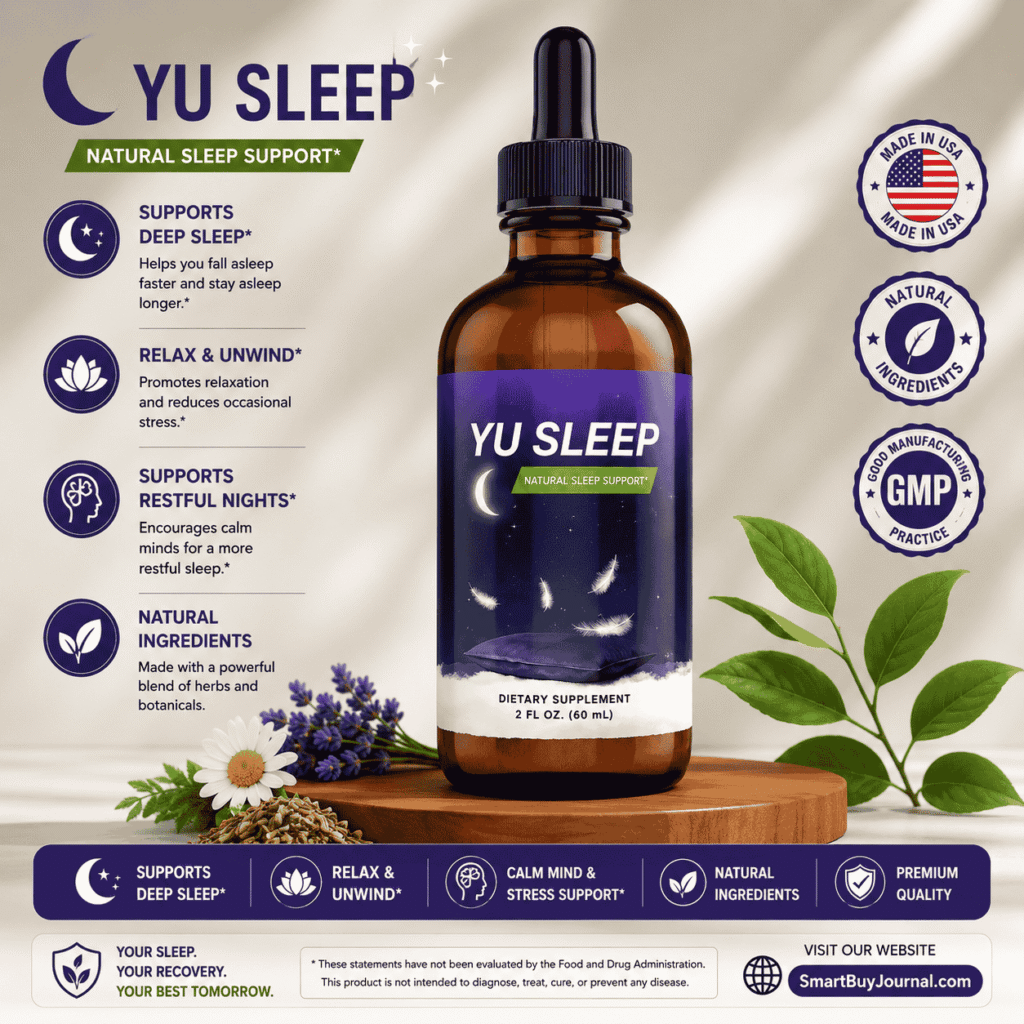
EXAMPLE BETTER SOLUTION: Yu Sleep combines Valerian Root, Chamomile, Passionflower, Melatonin, and L-Theanine for comprehensive sleep support. This multi-ingredient approach addresses multiple mechanisms of poor sleep, not just circadian rhythm.
👉 Try a Comprehensive Sleep Solution: Yu Sleep (Melatonin + 4 Herbal Ingredients for Better Results) → https://smartbuyjournal.com/product/yu-sleep-review/
Final Answer: How Long Does Melatonin Take to Work?
COMPREHENSIVE ANSWER:
TYPICAL TIMELINE: 30-60 minutes for most people, with average peak effectiveness at 45 minutes.
FAST RESPONSE: 15-30 minutes (liquid form, empty stomach, high individual sensitivity, standard 1-3mg dose)
SLOW RESPONSE: 60-90+ minutes (tablet form, with food, slow metabolism, low individual sensitivity)
TO OPTIMIZE FOR FASTEST RESULTS:
1. Use liquid melatonin instead of tablets
2. Take on completely empty stomach (2+ hours after eating)
3. Take 30 minutes before desired sleep time
4. Start with 0.5-1mg dose
5. Be consistent—take at same time nightly
6. Combine with excellent sleep hygiene
7. Ensure dark, cool, quiet bedroom
TO OPTIMIZE FOR BEST OVERALL RESULTS:
1. Combine melatonin with complementary herbal sleep support
2. Optimize sleep hygiene (dark room, cool temperature, consistent schedule)
3. Take 30 minutes before bedtime
4. Be consistent with timing and dose
5. Give it 1-2 weeks to see full benefits
6. Manage stress and exercise regularly
REALISTIC EXPECTATIONS:
• Melatonin supports sleep—it doesn’t force it
• Works well for circadian rhythm issues, less effective for chronic insomnia
• Doesn’t work for 30-40% of people (individual variation is real)
• Best used as part of comprehensive approach, not standalone solution
• Safe for long-term nightly use
• Doesn’t typically cause tolerance or dependence
IF MELATONIN ALONE ISN’T WORKING:
• Consider combination with herbal ingredients (better results for most people)
• Verify you’re optimizing all lifestyle factors (sleep hygiene, stress, exercise)
• Try different timing (maybe your optimal time is different)
• Try different dose (maybe you need higher or lower)
• Evaluate if you have underlying sleep disorder requiring medical attention
• Consider CBT-I for chronic insomnia
BOTTOM LINE: Understanding melatonin timing and optimizing your approach significantly improves results. Give melatonin a fair trial—at least 1-2 weeks of consistent use at the optimal time—before deciding it doesn’t work for you.
👉 Discover Better Sleep Results: Yu Sleep Combines Melatonin With Powerful Herbal Support (60-Day Trial) → https://smartbuyjournal.com/product/yu-sleep-review/
Frequently Asked Questions About Melatonin Timing
Q1: Is 3mg melatonin safe for nightly use?
Yes, 3mg is safe for most healthy adults for nightly long-term use. Research suggests 1-3mg is the optimal range. Very high doses (10+mg) aren’t necessarily better and can cause side effects.
Q2: Can melatonin negatively affect my natural circadian rhythm?
No. Used properly, melatonin supports healthy circadian rhythm. Taking it at consistent, appropriate times helps reinforce your natural sleep schedule. Taking it at very wrong times might theoretically cause issues, but normal use is entirely safe.
Q3: How long until melatonin builds up in my system?
Melatonin works acutely—the same night you take it. It doesn’t accumulate over time. That said, consistent use over 1-2 weeks can improve sleep quality as your body adapts to the routine.
Q4: Should I cycle melatonin to avoid tolerance?
This is debated. Some experts recommend cycling (taking 5 nights, off 2 nights). Others say nightly use is fine based on research showing tolerance is uncommon. Experiment to see what works best for you personally.
Q5: Can I take melatonin with other sleep supplements safely?
Yes. Combining melatonin with valerian, chamomile, L-Theanine, or passionflower often produces better results than melatonin alone. Many people find the combination approach more effective.
Q6: What’s the best time to take melatonin?
Take melatonin 30 minutes before your target sleep time. If you want to sleep at 10 PM, take melatonin at 9:30 PM. This timing ensures melatonin peaks when you’re attempting to sleep.
Q7: Does melatonin work better for some people than others?
Yes, significantly. Individual response varies dramatically based on genetics, sensitivity, metabolism, and other factors. Some people notice dramatic improvement. Others barely notice effects. This variation is real and normal.
Q8: Is melatonin addictive or habit-forming?
No. Melatonin doesn’t create physical dependence like prescription sleep medications. However, psychological dependence (believing you need it to sleep) is possible for some people. This is manageable through proper use.
👉 Take Control of Your Sleep: Start Yu Sleep Today (Money-Back Guarantee) → https://smartbuyjournal.com/product/yu-sleep-review/
⚠️ MEDICAL DISCLAIMER
This article provides general informational content about melatonin timing and effectiveness and is not medical advice. If you have sleep disorders, take medications, have health conditions, or experience persistent sleep problems, consult your healthcare provider before starting melatonin or any sleep supplement. Individual results vary. Melatonin is a dietary supplement that has not been FDA-approved or evaluated. Always follow product label directions and consult with your doctor if you have concerns.